
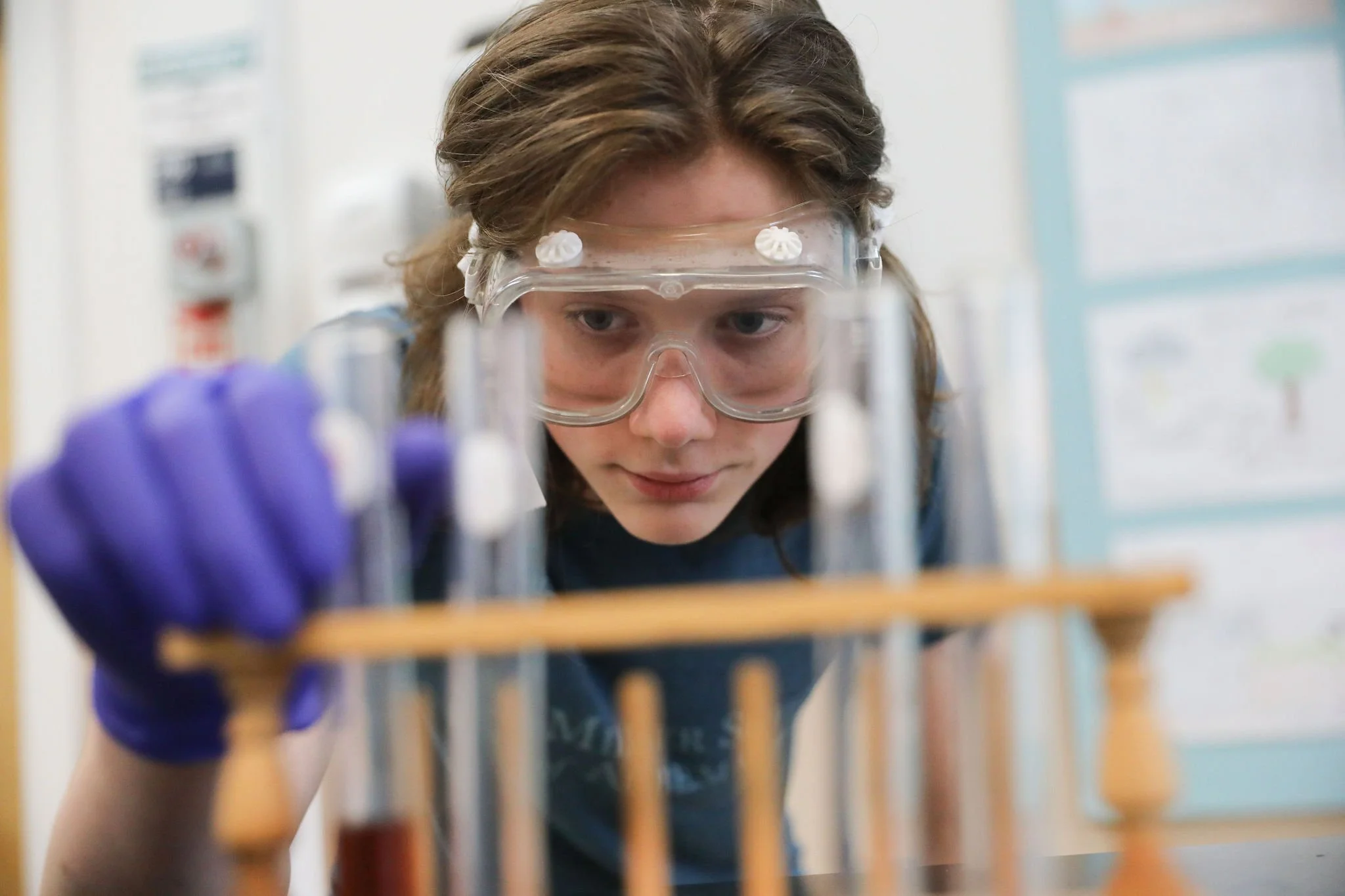
This winter, the world was captivated by the 2026 Milan Cortina Winter Olympic Games, where athleticism took center stage. Across snow and ice, the margins between victory and defeat were measured in fractions of a second. Preparation, discipline, and composure under pressure defined the games.
But competition is not confined to ice arenas and mountainsides.
In classrooms around the world, another kind of Olympiad was unfolding, one that tests not the body, but the mind.
The British Biology Olympiad asks students to step beyond the boundaries of a standard course. Designed to stretch understanding rather than reward memorization, the international competition presents unfamiliar material and expects students to rely on core principles, analytical thinking, and patience under pressure.
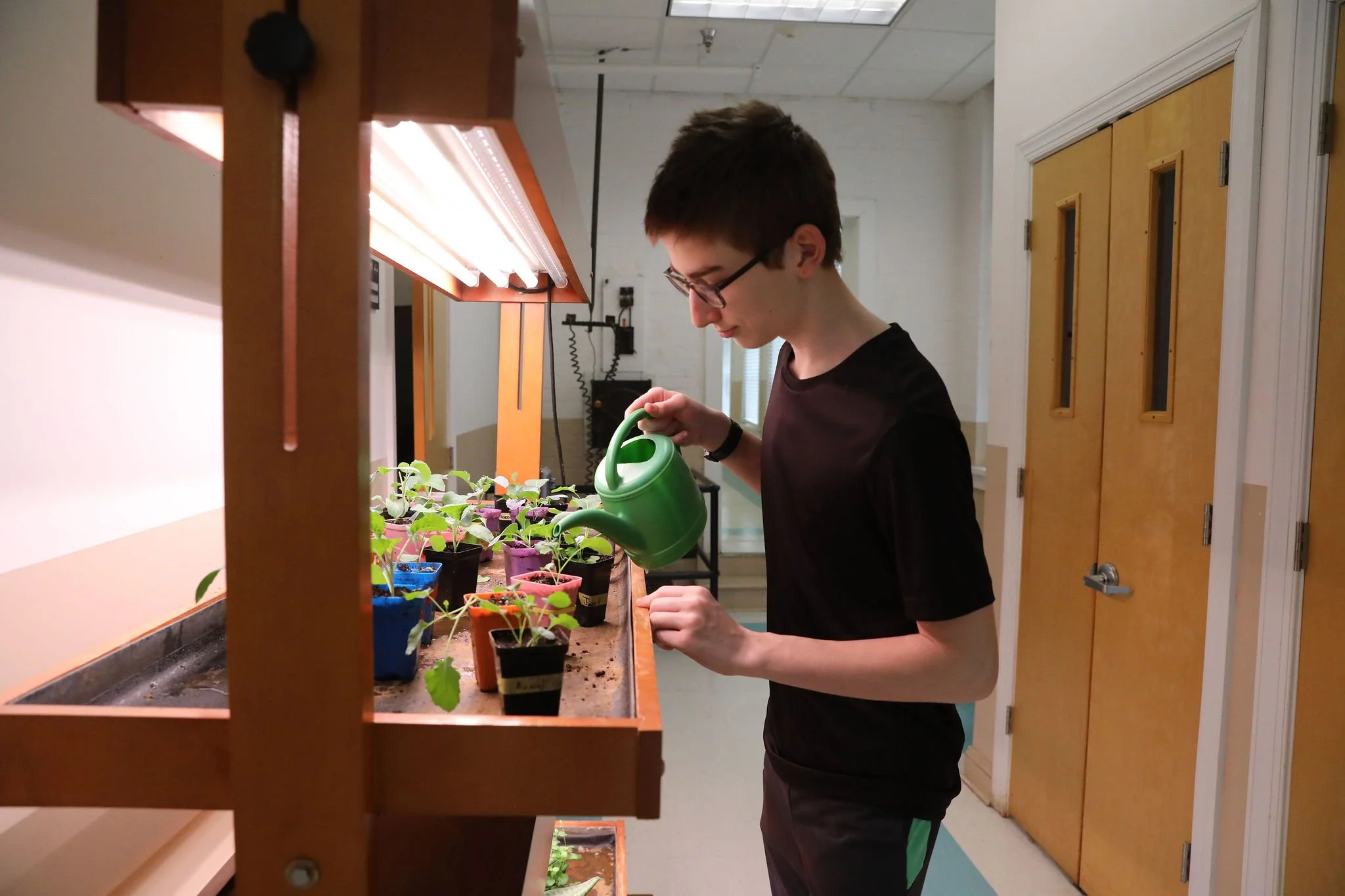
A small group of Miller School students chose to take on that challenge this year. All five finished in the top 25 percent of 18,800 students worldwide.
Biology teacher Jessica Landseadel, who sponsored the group, pointed to the nature of the competition itself. “The British Biology Olympiad challenges and stimulates students with an interest in biology to expand and extend their talents.” The format is deceptively simple, with two timed multiple choice exams, but the questions require students to apply what they know in unfamiliar contexts. Success depends less on recall and more on how students think.
That distinction helps explain the range of students who stood out.
Toby Carrier and Naomi Hudock each earned Bronze medals, placing in the top 25 percent. Landseadel described Toby as “an outstanding and highly motivated student who consistently challenges himself with rigorous science coursework while exploring future academic pathways.” His approach to learning carries across disciplines. During a brief winter break from cycling, he joined the Science Olympiad team and contributed strong results in Remote Sensing, Experimental Design, and Anatomy and Physiology.
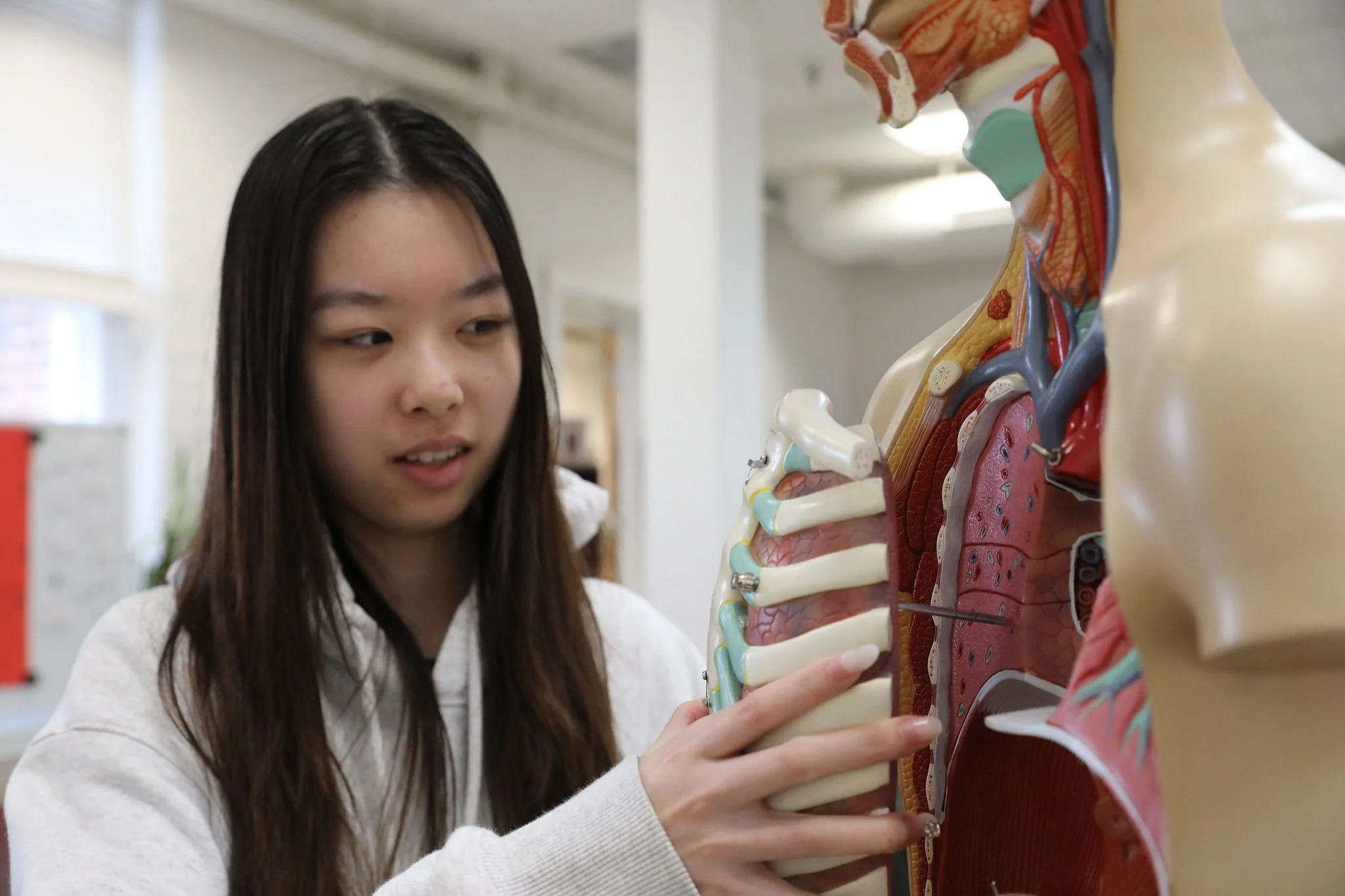
Naomi, Landseadel noted, matches that commitment with a different kind of range. “Naomi Hudock is equally dedicated, approaching her studies with focus, determination, and genuine curiosity.” Her work extends beyond the classroom. Last year, she helped build a library for a school in Malawi, and this winter she stepped into a new role by trying out basketball for the first time. That willingness to move toward the unfamiliar mirrors the demands of the Olympiad itself.
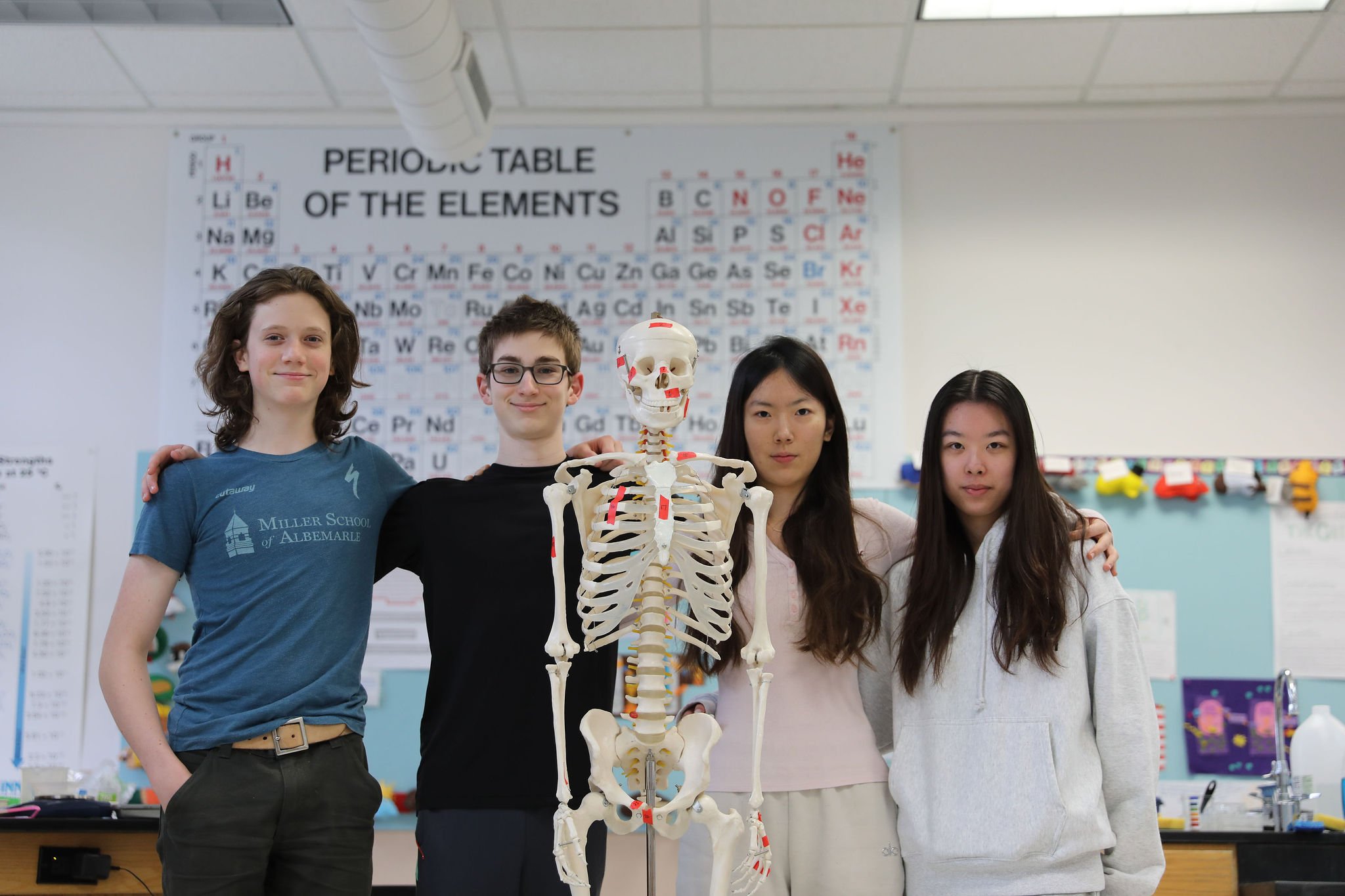
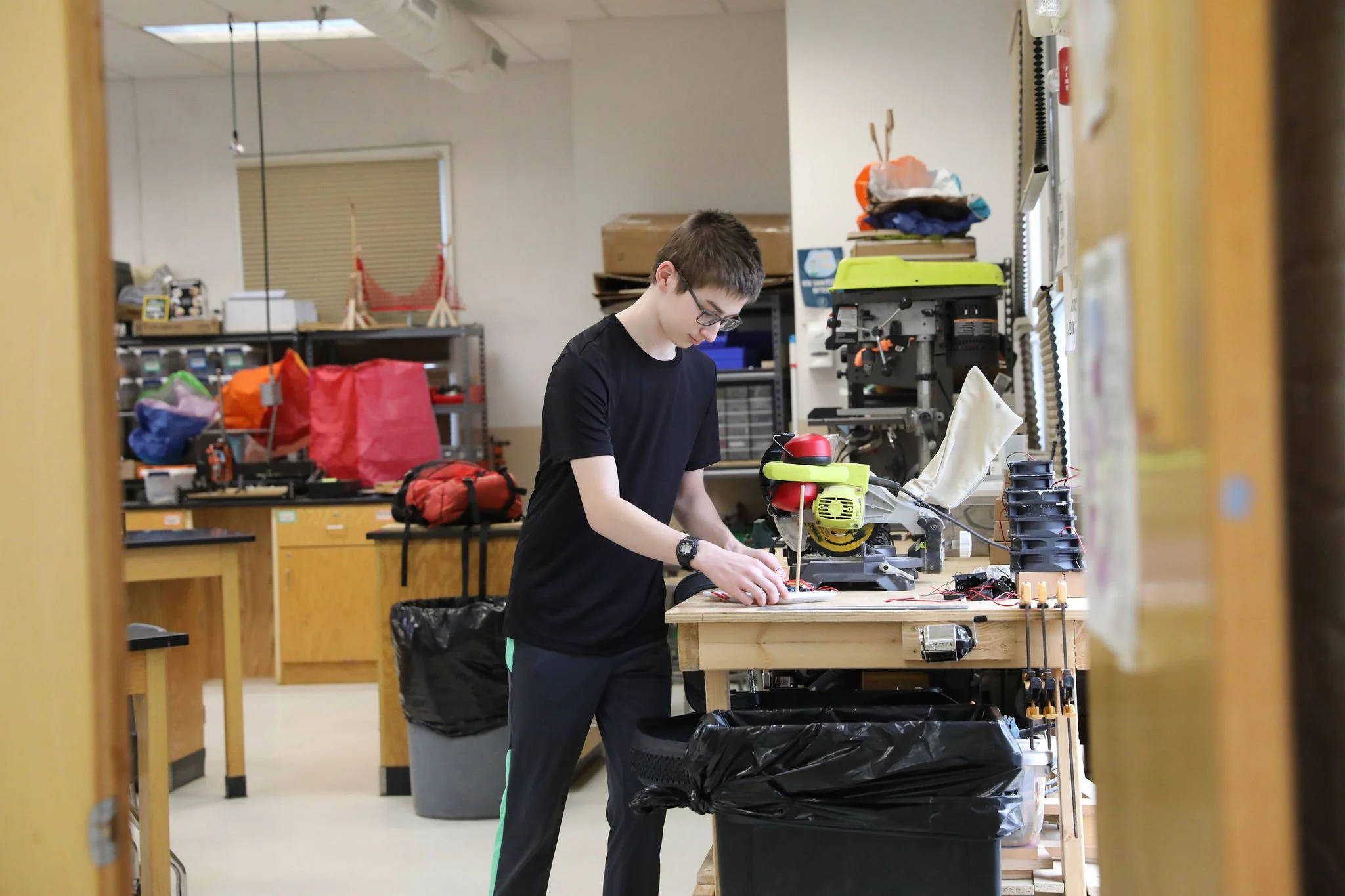
Lukas Smith earned a Silver medal, placing in the top 15 percent. His work reflects a sustained interest in how systems function. Whether taking apart and rebuilding objects or designing a hovercraft for Science Olympiad, Lukas approaches problems with methodical patience. His project required him to think through Newton’s laws of motion, air pressure differentials, and structural efficiency. The same habits, careful analysis, persistence, and curiosity, shape his academic work.
At the highest level, Ruth Li and Kaylee Yin earned Gold medals, placing in the top 5 percent worldwide.
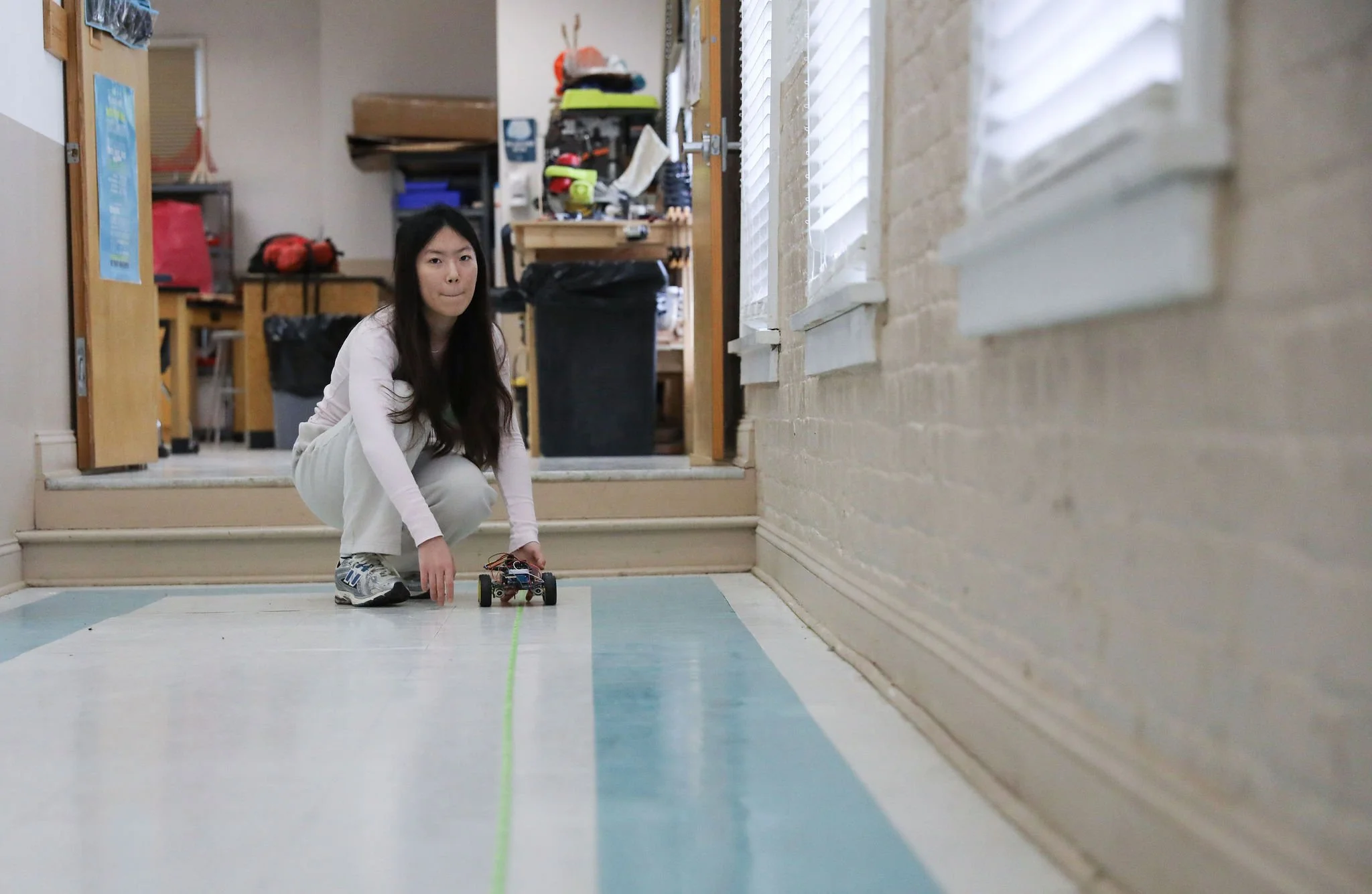
Ruth’s presence in the classroom is understated but exacting. She approaches each subject with focus and discipline, working to understand not just outcomes but underlying structure. This winter, she extended that work into Science Olympiad, contributing to the Electric Vehicle build event.
Kaylee’s work moves naturally toward application. Her academic interests have led her into questions of public health, where she has explored how treatments are developed for diseases that lack cures. In an independent study, she examined the structure and life cycle of HPV and considered how targeted therapies might be designed, from early research through clinical trials. Her work reflects a willingness to engage with problems that do not yet have clear answers.
Taken together, the group’s performance offers a clear picture of what the Olympiad rewards. Not speed alone, and not memorization, but a way of thinking, careful, curious, and willing to sit with complexity a little longer than most.
In a season defined by competition on the world’s biggest stages, these students found their own arena, where the margin is not measured in seconds, but in how far a mind will go.