
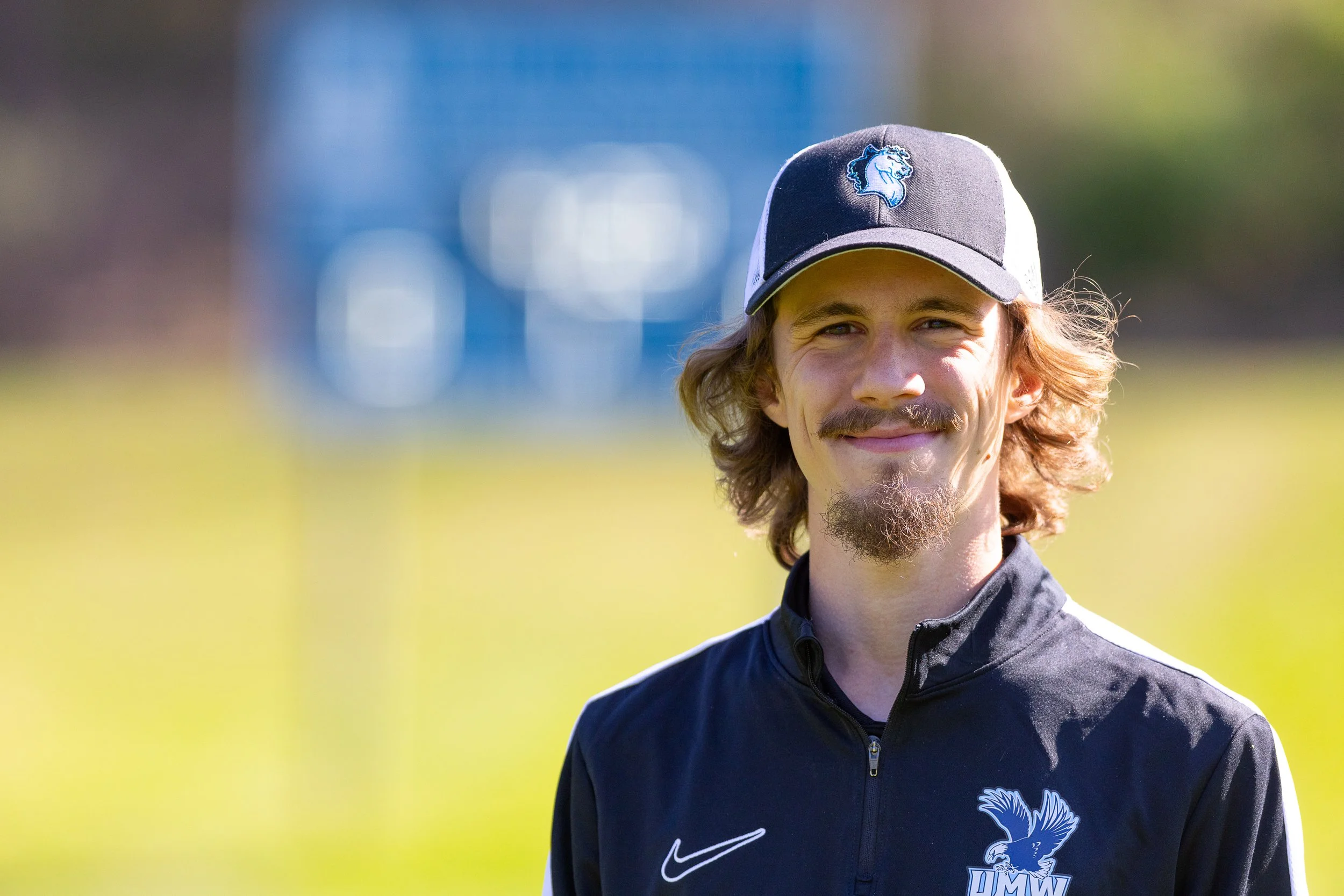
At Miller School, a teacher might do his or her best teaching on the playing field and his or her best coaching in the classroom. For Joel Albritton, the two are one and the same.
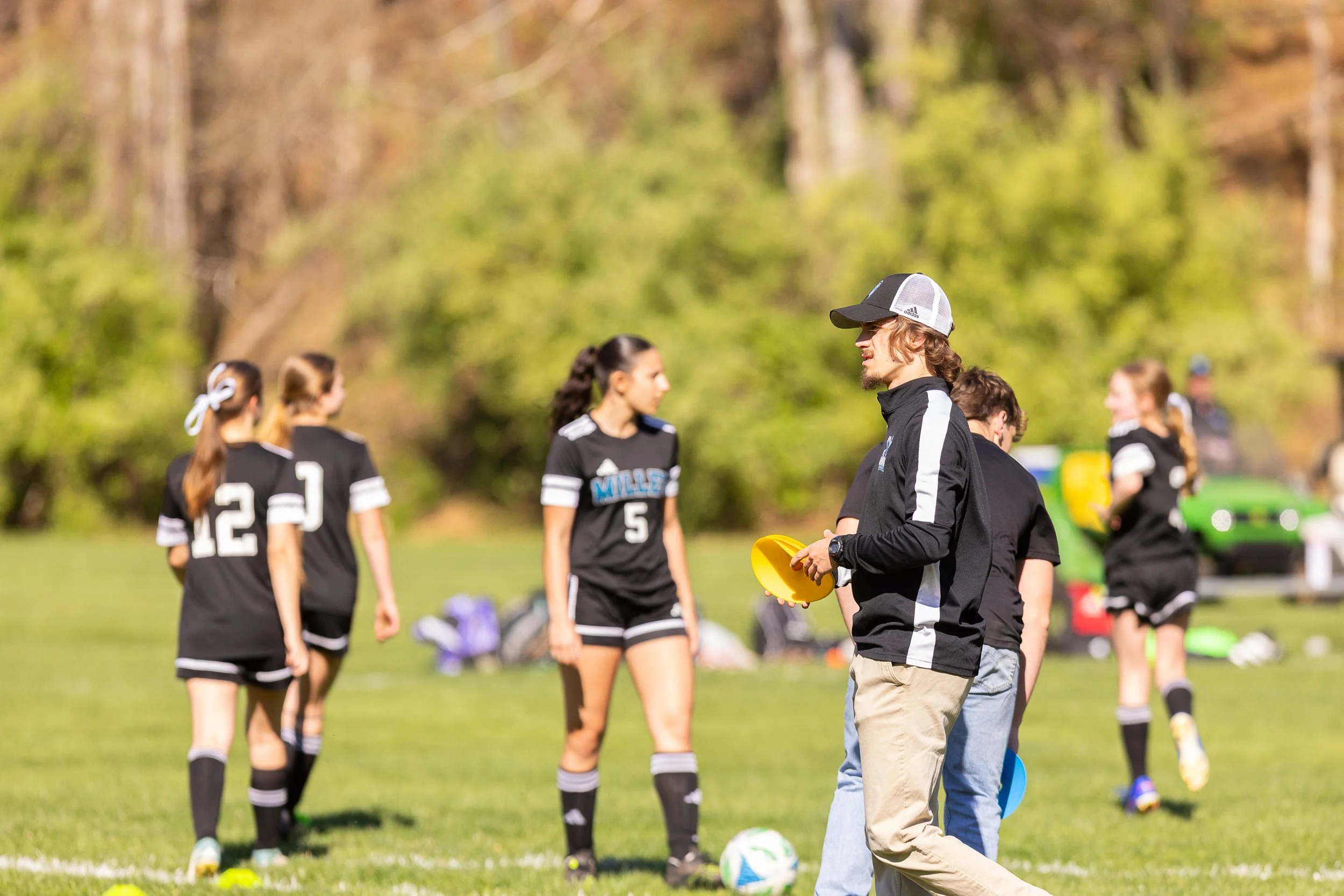
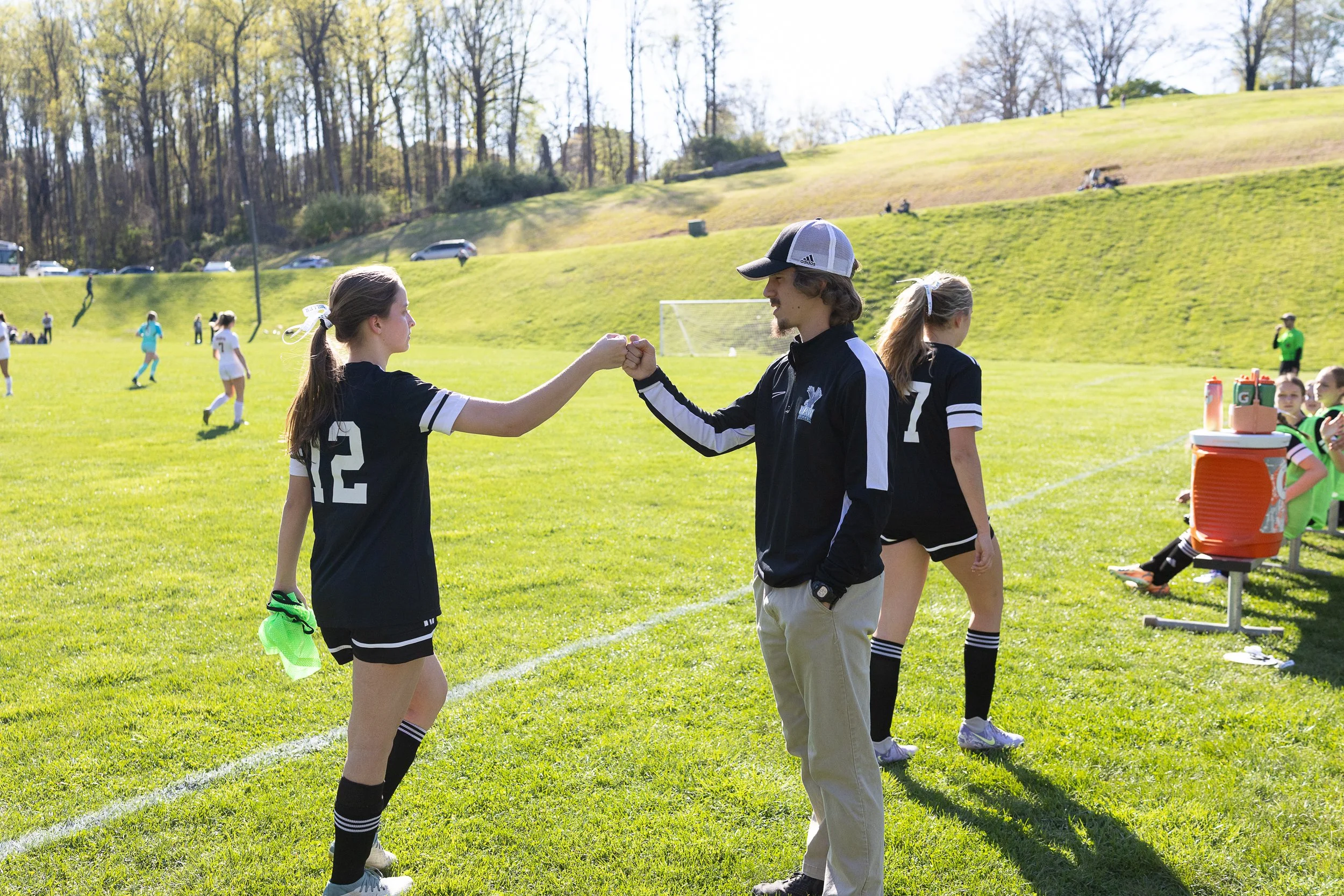
On any given day at Miller School, Joel Albritton might move from the classroom to the field without much pause.
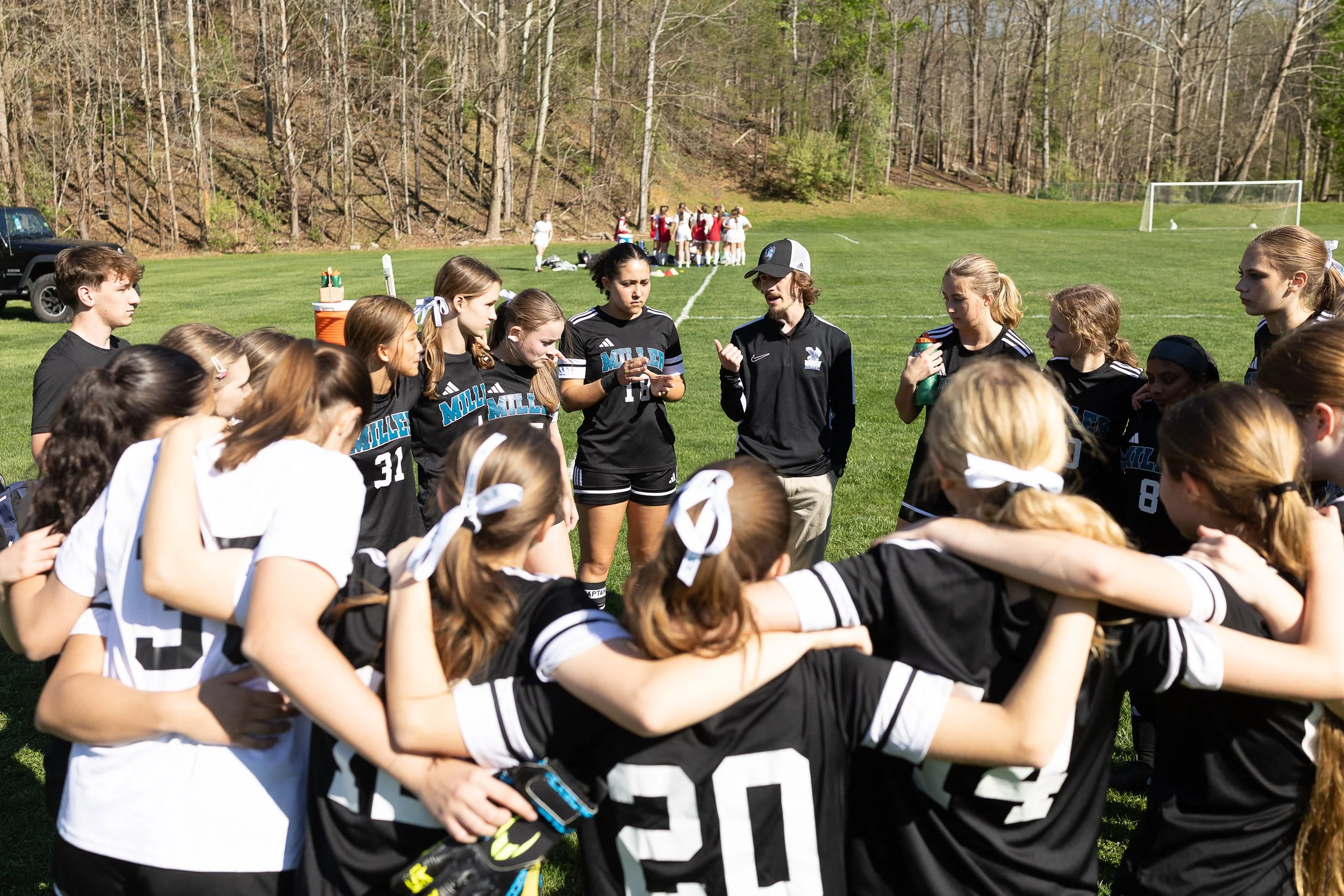
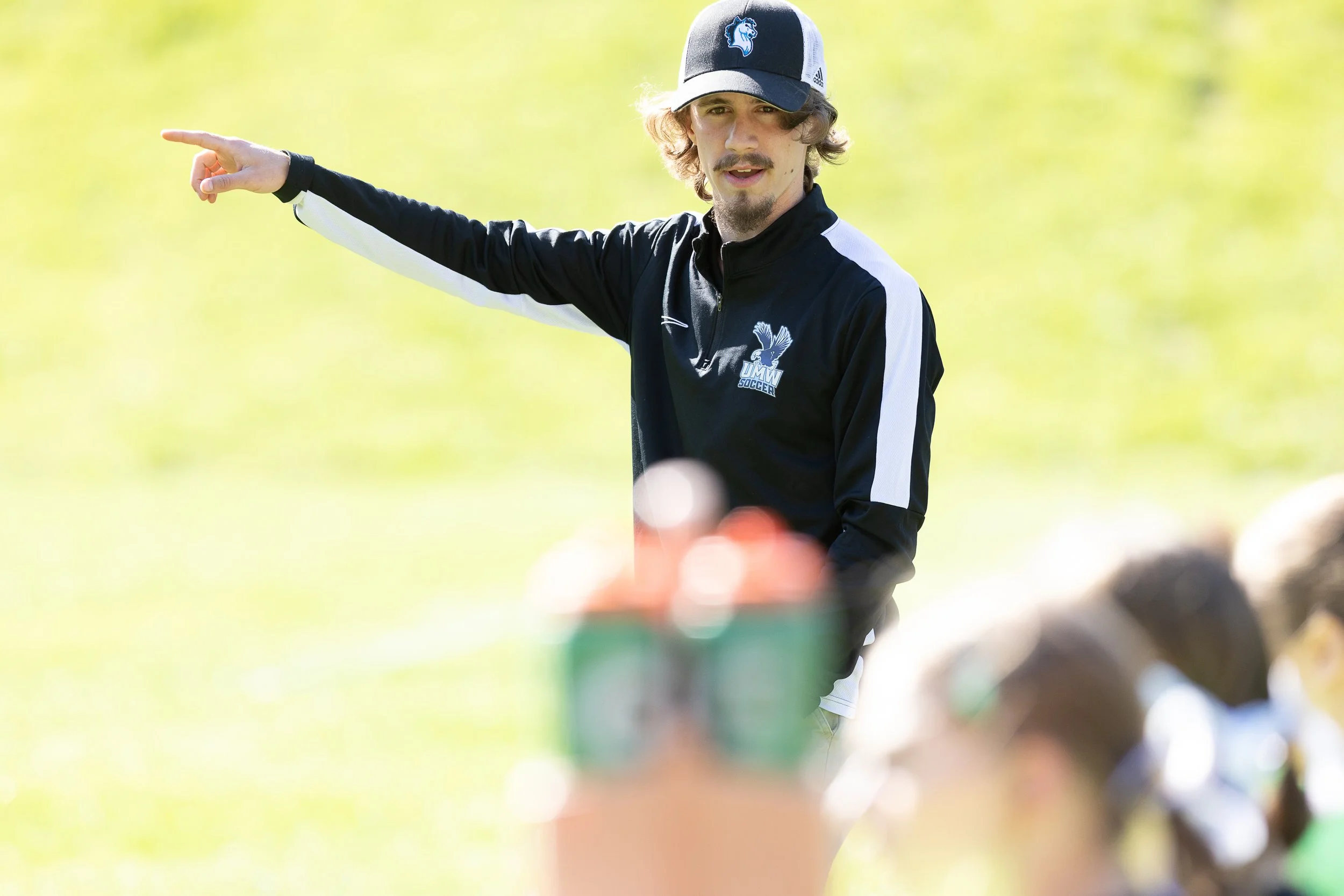
One hour he is working through Spanish with his students. The next he is on the sideline, coaching, correcting, pushing. The setting changes, but the work feels connected.
That overlap is part of what drew him to Miller. Teaching, coaching, advising. It does not separate cleanly here, and for Albritton, that is the point.
He grew up around the game. Soccer was always there, always part of daily life. That same consistency now shapes how he approaches both the classroom and the field.
The expectations are simple. Show up. Do the work. Keep going.
We sat down with Joel to learn more about his coaching and teaching on the Hill.
What first drew you to soccer, and when did you realize it might become more than just a game for you?
My dad played soccer all of his life and began coaching after college. I have three older siblings that all played from before I was born, so it was kind of predestined for me to play as well. I cannot remember a specific time that it became “more than a game” to me, it was always more. I always had a ball at my feet growing up. I dribbled around the house, took it to school, took it to church, took it everywhere.
You wear a few different hats here at Miller—as a coach, as an advisor, and as a teacher of world languages. How did those paths come together for you?
Everything overlaps at Miller. Rarely do I find myself acting only as a teacher, or coach, or advisor, etc. I think that is something so special about this school, you interact with the students and with the other faculty in so many different and meaningful ways. You really get to know all of the kids which makes you more equipped to teach and coach them effectively. Sometimes, it can be hard to remember “Which hat am I wearing right now?” but the beauty is our goal for all of them is the same, to make positive impacts in these kids’ lives.
How did the opportunity to join the Charlottesville Blues FC come about, and what made it feel like the right next step?
I have been playing for NPSL and USL 2 in the area for a couple of years now, and have become connected with a lot of the teams, players, and coaches. I approached the new coach of the Blues, Brett Teach, someone I have known for several years now, and he invited me to come try out and then play for them. I knew that I wanted to play and that I wanted to be in Charlottesville this summer because of how we are building the soccer program at Miller, with camps, and offseason workouts, and such, so the Blues seemed the obvious choice.
How would you describe your soccer playing style and coaching philosophies?
The two words that I would describe myself as on the field are tenacious and pensive. I play just as much with my brain as I do with my body, but I am also gritty and relentless. I have come across few players that work harder and run longer than I do in my years. This is exactly the kind of approach I bring to coaching. No one is going to outwork me as a coach, so no one is going to outwork our team either. We will be tenacious, gritty, and relentless.
Do you see overlaps between playing for a team, coaching a team and teaching a classroom? Where do those worlds most clearly intersect for you?
Yes, so many, but the two biggest are discipline and self-belief. Learning a subject, improving your game, and building a program take time. You can have all the motivation, passion, and talent in the world, but if you are not disciplined, if you are not putting in consistent effort and work, you will not succeed. Likewise, you will not accomplish anything in life if you do not believe in yourself. These are the two most important to learn and also the hardest to teach these kids. A lot of them are naturally gifted in soccer or with languages, but they do not have the discipline to put their talent to work. Many of them might have the discipline, but they do not believe that they can achieve their goals or objectives. One of my favorite things I have heard in my classroom was “Wow, I can’t believe I just wrote a story completely in Spanish.” When these kids believe in themselves and are disciplined, their ceilings disappear.
What do you think students and players need most from adults right now—and how do you try to provide that in both spaces?
What students and players need most from adults right now is personal connection and to be seen as people. We lost so much of our connection over the last several years, not just with the pandemic, but with the rise in technology. We are more “connected” now than ever, but we are missing the intimacy of personal connection. These kids need to have these relationships with teachers, coaches, advisors, and dorm parents, and everything in between, and they need to feel like they are being treated as people, not as students or players. They need to know that they are known and cared for.
What initially drew you to language learning, and what keeps you invested in it?
I started learning Spanish because my adopted sister came to the U.S. from Colombia and spoke no English. I learned to speak with her and eventually to help interpret for my parents and friends. That led to a love of language because of its impact on personal connections. Just as students now more than ever need these personal connections, we all need the same. Language is so important to personal connection because it goes beyond just the words that are being said. It is culture and identity. It is so deeply embedded in who we are. That is why I love it so much and why I will continue to learn and teach languages for the rest of my life.
What do you hope students gain from language study beyond vocabulary and grammar?
Understanding of culture, shared identity, and meaningful relationships. I have tons of students that have friends or relatives that speak Spanish, sometimes that only speak Spanish. It would be awesome if these students could learn so much that they would speak perfect Spanish to these friends and relatives, but so much more importantly, that they take the time to speak to them in their native language, take interest in their culture, and bond with them in meaningful ways. This goes so far with people, even when your Spanish is terrible. For non-English speakers, or those with very poor English, taking the time to learn and attempt to speak in their native language creates such a deep connection.
Is there a lesson from soccer that consistently shows up in your classroom, or a lesson from teaching that shows up on the field?
Confidence or self-belief. So many people never achieve anything because they are scared of failing. They do not have the confidence to fail. Everyday in the classroom, students refuse to answer a question out loud because “What if they get it wrong?” Everyday on the field, players refuse to take someone on, or take the shot, or put a hard tackle in because “What if I mess up?”. Life is about messing up and learning from it. It takes a lot of mistakes to build real confidence, and I want these kids to understand that failure is not the end. To quote our own Billy Wagner, “Obstacles are not roadblocks. Obstacles are stepping stones.”
How do you see your roles as a coach and educator evolving over the next few years?
With the rise of AI and continued advancements in technology, personal connection is growing even more vital. I think that the biggest way our roles will evolve is trying to keep up with all of these changes, trying to integrate them into our teaching, while not letting them overstep and become problems.
What’s been one moment with Miller so far that’s confirmed for you, “Yes—this is where I’m supposed to be”?
When one of my students came up to me in the hallway, smiling ear-to-ear and telling me to guess why she was smiling. The answer was that she had just been accepted into her dream college. I was/am so proud of her. I had only taught her for one semester, so to see the impact and the relationship we had already built was special. It made me realize, that is why I am here, for more of these moments.