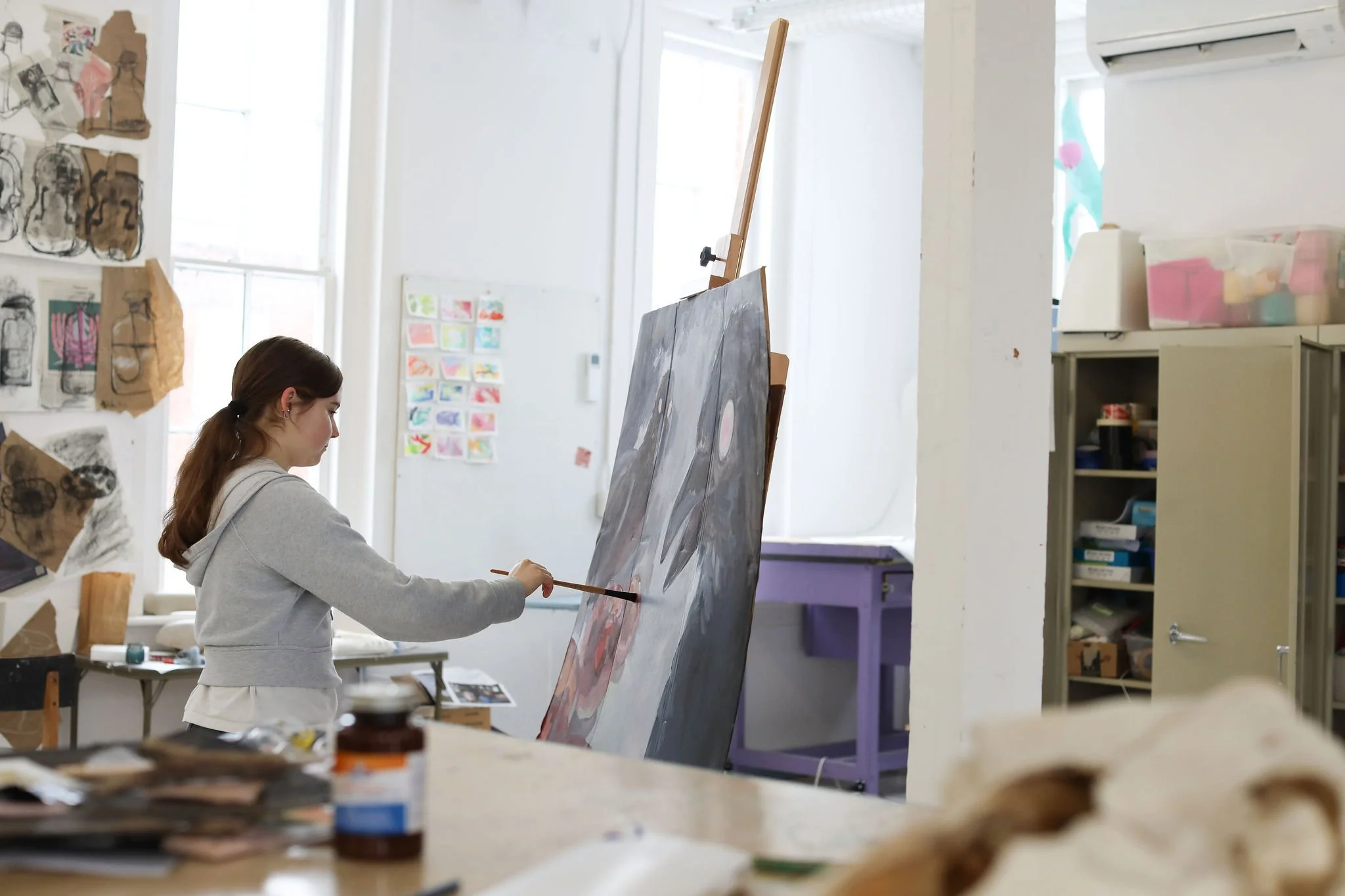
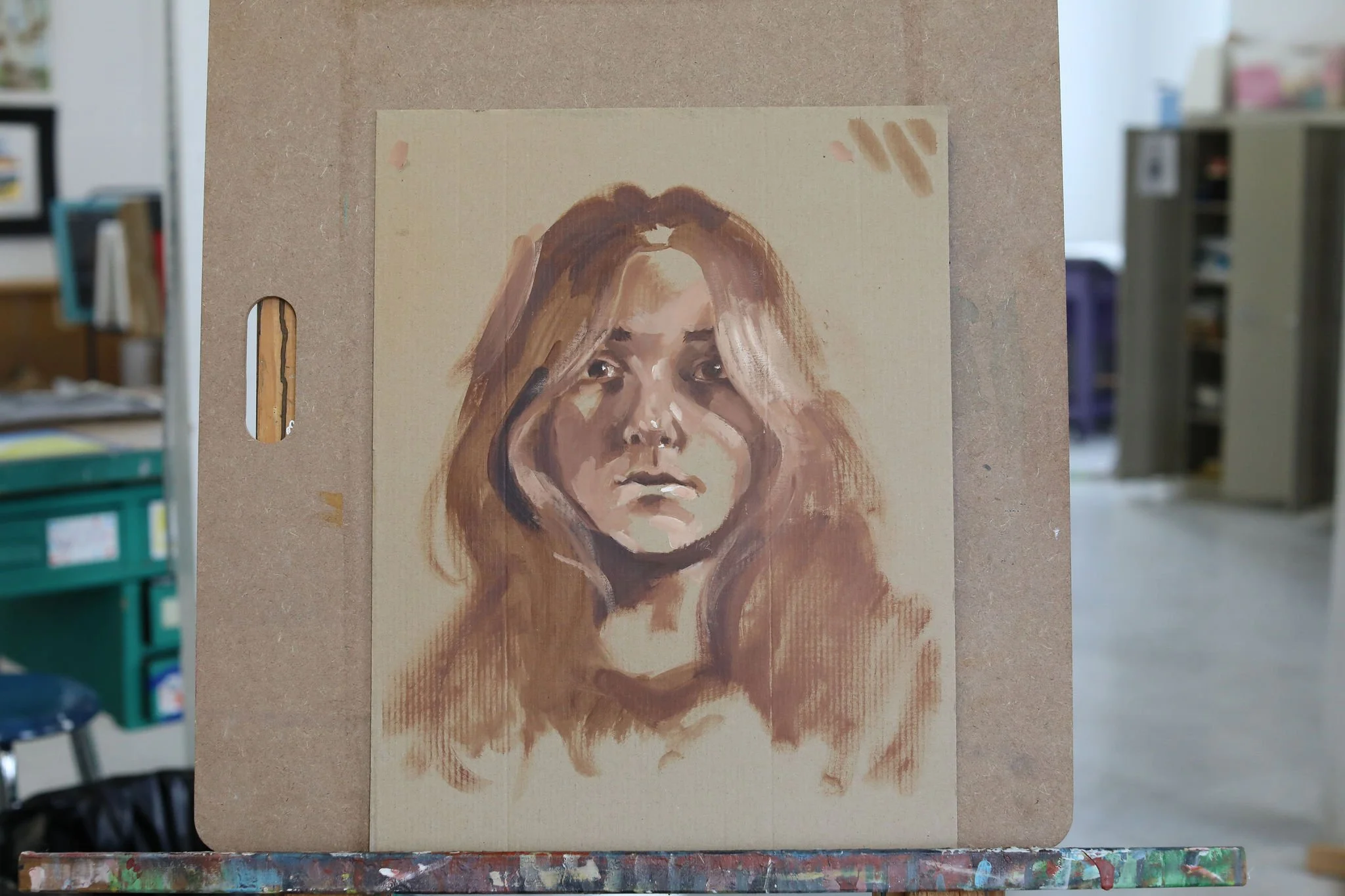
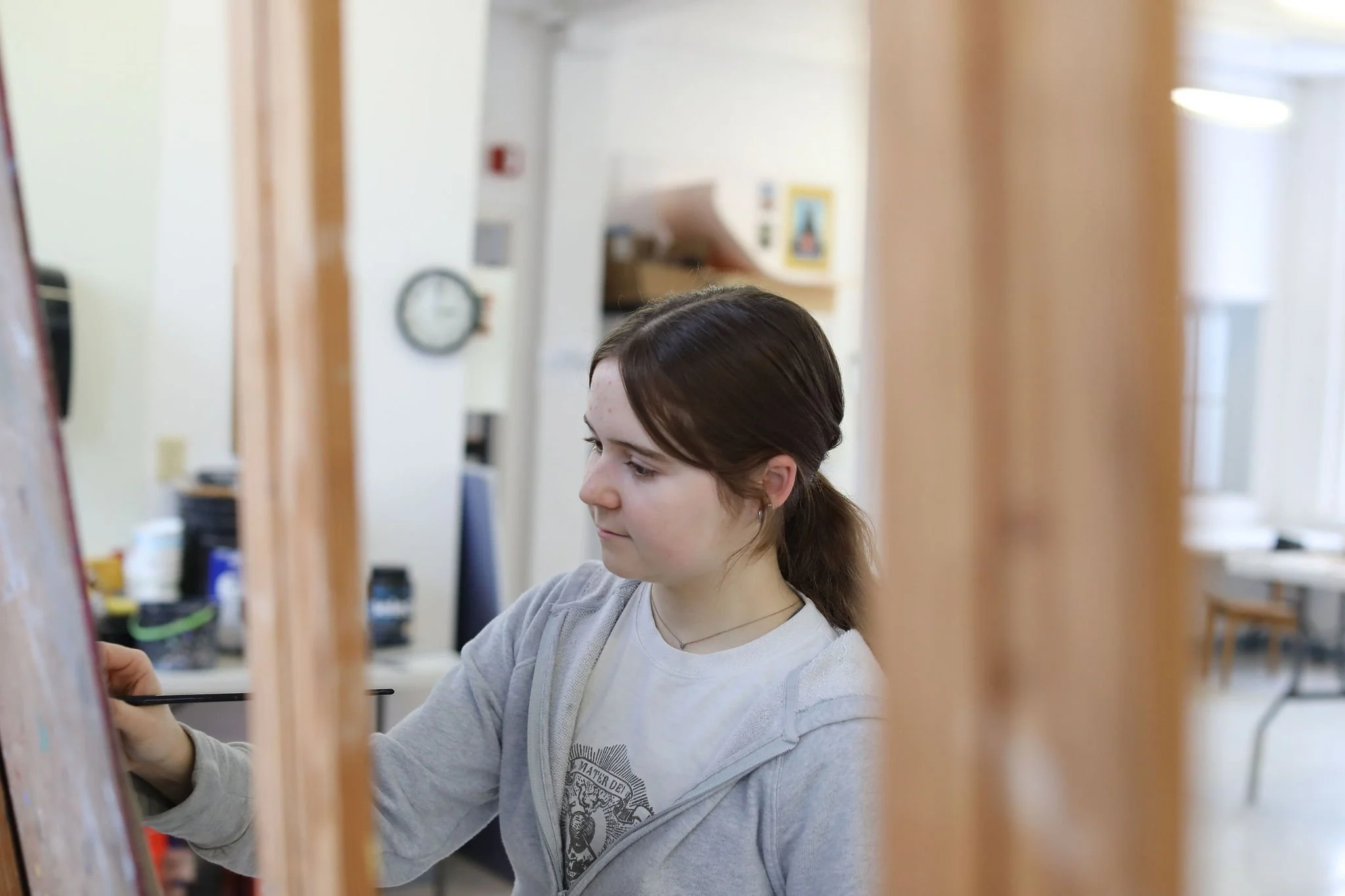
It is late afternoon in the studio. Light cuts across the room in long, angled lines, catching on brushes, sketches, and unfinished work pinned to the walls. A canvas sits in progress with color layered, figures in motion, nothing fully resolved.
Eden Terrien steps back for a moment, studying it.
There is a restlessness in the work. Forms press against one another. Color moves with purpose. Nothing settles for long. It recalls the visual language of the Baroque. Caravaggio’s charged compositions, Bernini’s figures caught mid-transformation, Vivaldi’s driving concertos, and Milton’s poetry in its twists and turns where motion, tension, and contrast replace the calm balance of earlier traditions. The Baroque does not depict stillness. It captures the moment just before or just after change.
Eden’s work lives in that moment.
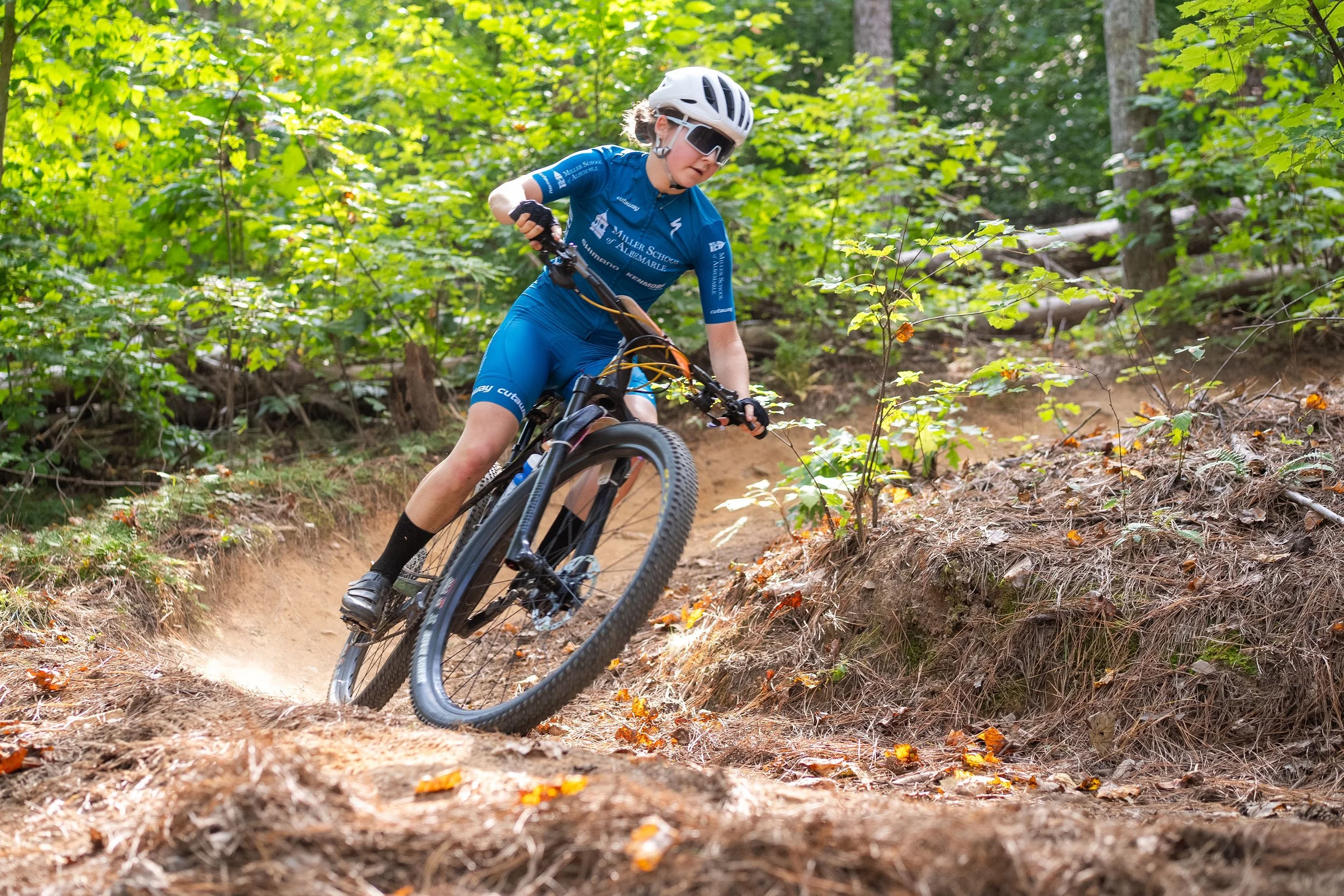
Outside the studio, the same principle carries forward in her athletic pursuits. She is a standout mountain biker who won the Sophomore category at NICA Regionals this past fall. On the bike, movement is no longer expressive but exact. Eden approaches training and racing methodically. She completes training rides with precision, and her style on the bike is measured, controlled, and calculated.
At Miller School, that forward motion has taken on new weight. Eden enrolled this past fall to challenge herself and step outside her comfort zone as both an athlete and an artist. She wanted more and found it on the Hill.
Her first year has been marked by progress because it has demanded more. More independence, more precision in training, and more willingness to operate outside her comfort zone. It is a shift away from the contained and toward something wider, where outcomes are not guaranteed and identity is shaped through effort and trust in the process, both in art and cycling.
It is, in many ways, a Baroque idea.
Like the paintings, sculpture, and music of the Baroque era, John Milton’s Paradise Lost pushes boundaries, expanding what poetry could do in both scale and ambition. In his retelling of Genesis, Milton imagines not a quiet fall from Eden, but a dramatic entrance into the world beyond it. The poem closes not with despair, but with expansion: “The world was all before them.” The line suggests a life defined not by what has been left behind, but by what must now be undertaken—experience, challenge, responsibility, and the shaping of the self through choice, as Adam and Eve leave the garden hand in hand and walk east of Eden.
While Eden’s artwork calls to mind the Baroque style in art and literature, her decision to attend Miller School and her approach as a student on the Hill may be an even clearer reflection of its movement and energy. Eden Terrien works in that kind of space, in both art and athletics. She moves just east of Eden.
Her art resists stillness. Her athletics demand precision. Both require her to engage fully with a world that is no longer simplified or given, but open.
In this conversation, she reflects on art, athletics, and the process of building skill, identity, direction through motion, discipline, and the willingness to step into what comes next.
What three words would you use to describe Miller School?
If I could describe Miller in any three words, I would describe Miller as assiduous, fluid, and united.
What role does art play in your life?
I have a feeling that I can go anywhere because of art. In my life, I use art as a way to challenge, feel, and observe the world. Art taught me to think about the unthinkable, to be original, and to create something different. In a world full of constant movement, art taught me to enjoy the nitty gritty, to accept the hours of unknown work, and to understand that failure might come with it. Art taught me to observe, not to brush past the unnoticed, and to appreciate what is around me, whether beautiful or not. In my life, art is my mentor and I am the mentee.
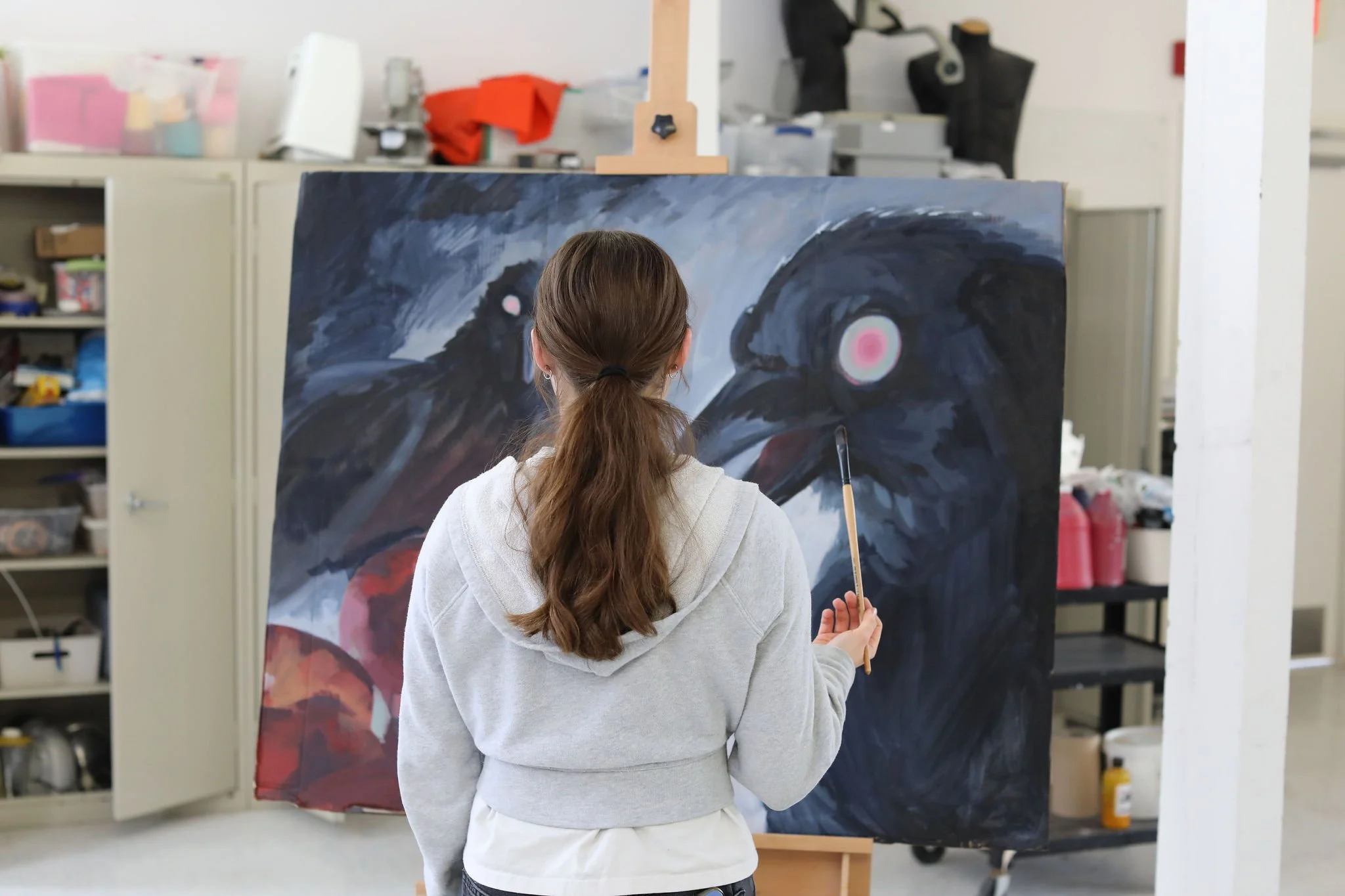
How has Miller School’s Fine Arts Program and Ms. Skipper helped you as an artist?
Out of all the schools I have attended, Miller’s Fine Arts program is truly the best. The program here gives us autonomy to think creatively and pursue an individual style, all while being supported by Ms. Skipper, our amazing art teacher. She is one of the most genuine people I know. She always wears bright and bold colors, with a functional style, like paint brushes or pencils in her hair. She guides all her students through the creative process with patience and determination.
After coming to Miller, I remember my first art class with her. I remember breaking down in tears, saying, “I don't think I can draw anymore.” I remember thinking about the future where I didn't create anymore. I imagined losing something I spent years dedicated to. I really thought about giving it all up, but Ms. Skipper assured me, one assignment at a time, that art wasn't as stressful as I thought it had to be. I genuinely enjoy art more than ever before and am eternally grateful for Ms. Skipper and her continued guidance.
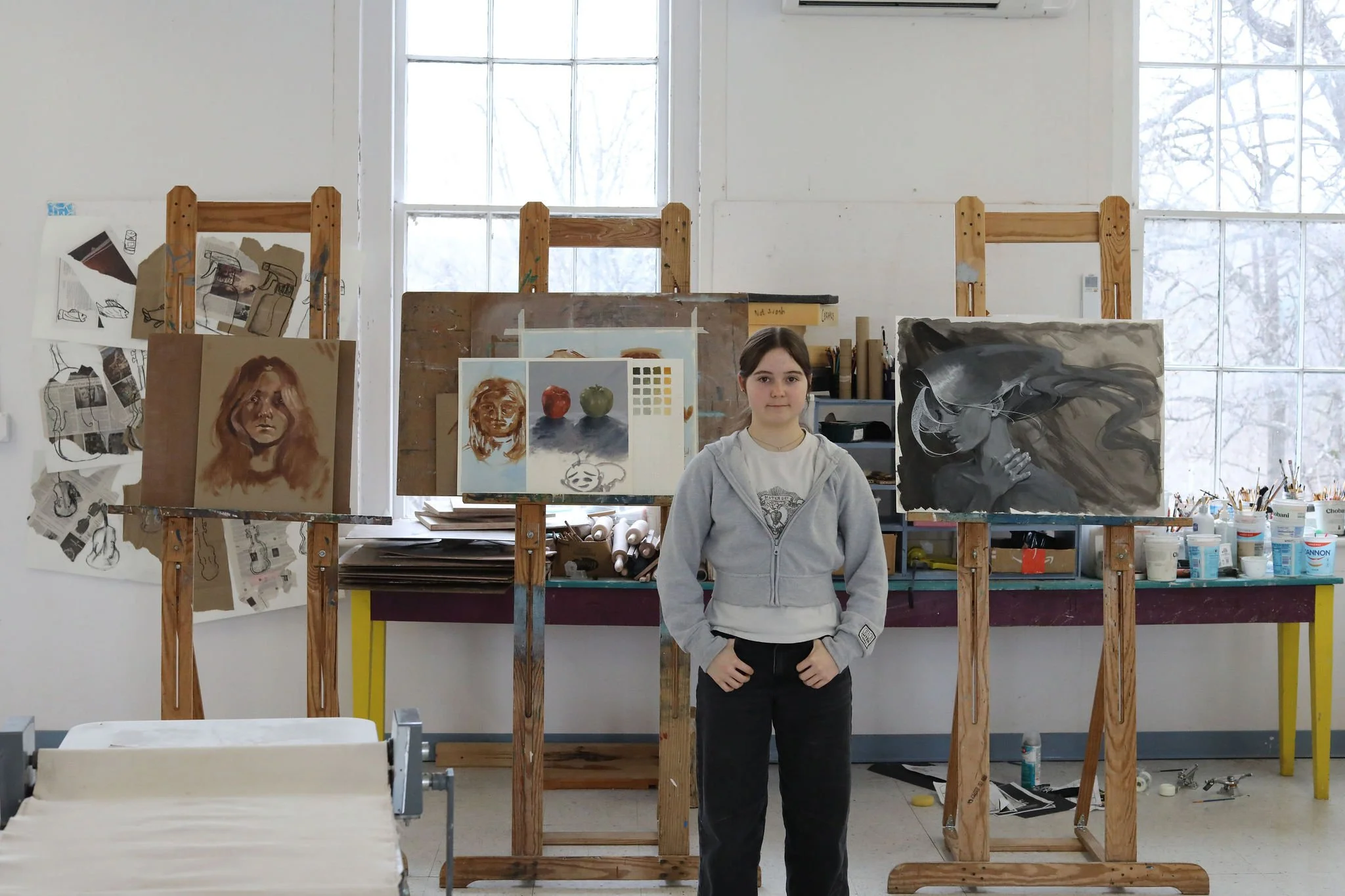
Tell me about your favorite artist. Who is it and what do you love about his/her work?
One thing about art is that once you start, you notice it in everything and everyone, sometimes even finding it in the most mundane of things. For that reason, my favorite artist would have to be someone who continuously surprises me, the one who takes my words away and leaves me simply thinking, “wow.”
Her name is Yoneyama Mai. She is an illustrator who, when interviewed, described her art as the single moment when action peaks. In this, I found inspiration.
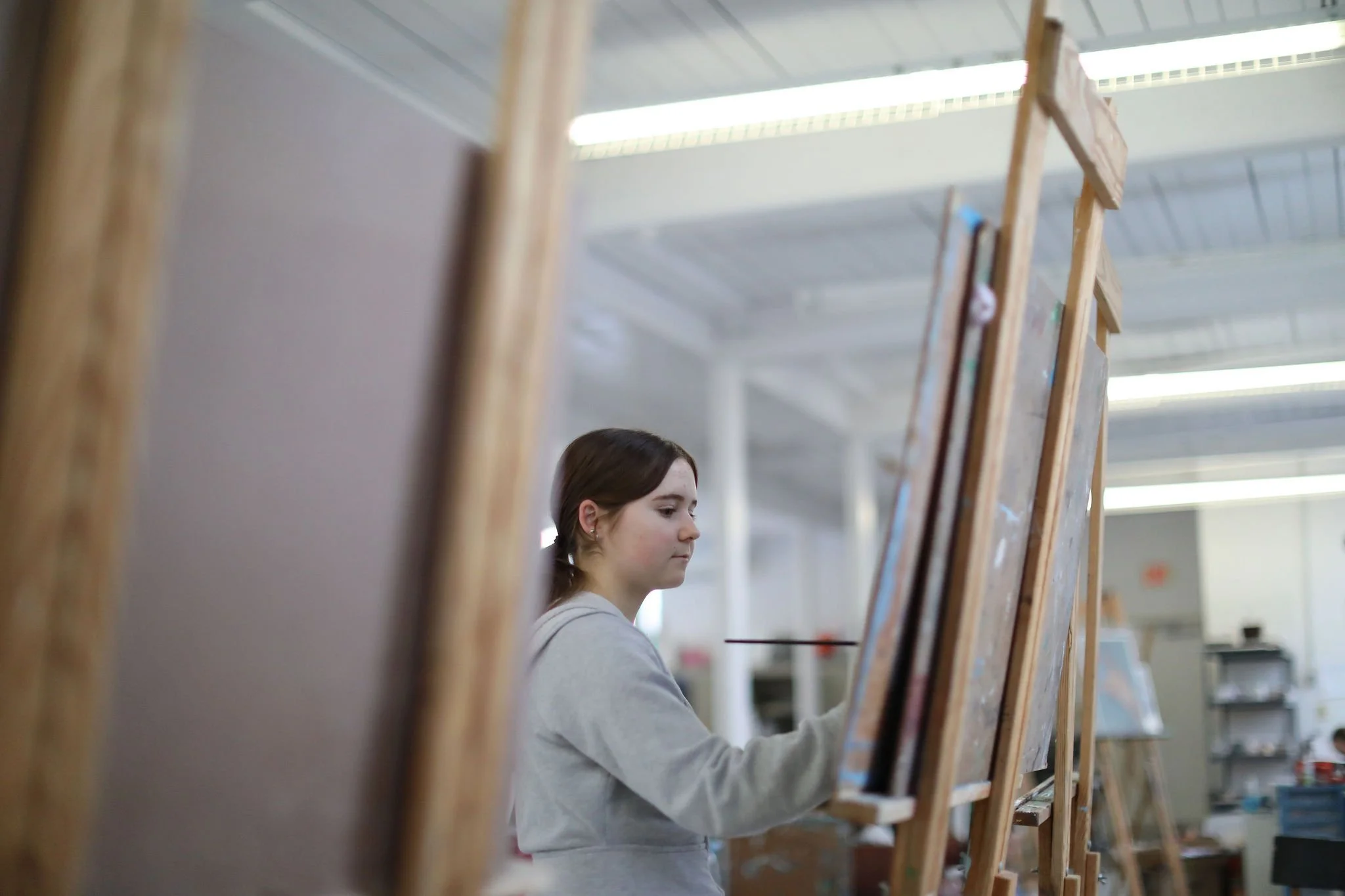
Movement is important in your art. Why?
Do you think art can defy reality if you push it hard enough? It sounds a bit delusional, no? Well, sometimes I like to think like that. I mean, how can you make something 2D look 3D? That's what I like to ask myself. How can I create a unified opposition? For example, movement—an action, a word that you would never define as stationary—and yet it has been caught on a 2D surface. I think that must be why I explore movement. It's a challenge to be conquered, and it forces me to think outside the box.
What are your favorite mediums in art?
Mediums are an artist's weapons, and I hold a huge inventory of them! I love anything and everything that can be modified and won't shy away from untraditional mediums. In this ambiguity, I find myself unable to choose a favorite. In my eyes, they all have a time and a place to be wielded. Therefore, the diversity and potential of each medium prohibits me from selecting one as my favorite.
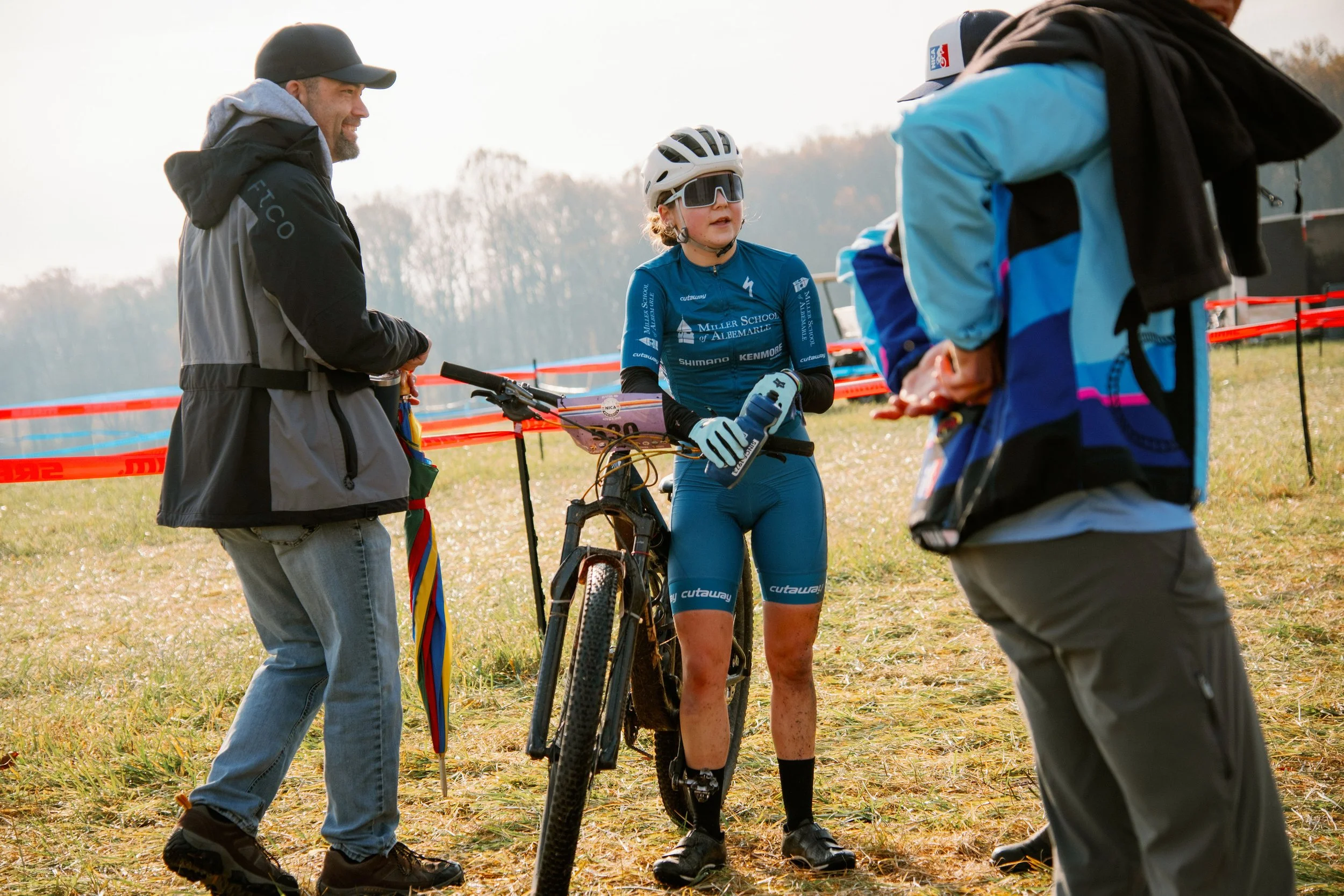
In addition to being an artist, you are an elite athlete. Do you see any continuities between cycling and art? Or are they separate worlds for you?
As an athlete and artist, I often get asked the question, “Do you ever use cycling as inspiration for your artwork?” and, in all honesty, I like to keep them as separate as possible. When I paint or draw, I strive to eradicate cycling from my mind, as if I have never touched a bike before. Maybe I'm just a purist, but for me, both disciplines require me to constantly break barriers and strive to be the best. This is a taxing mindset that I limit by separating each discipline into their own domains of serenity. These domains hold my belief that I am capable of thinking beyond what has already been thought of. This separation creates a singular space with one task, a focal point that I can take head on. If you think about it, isn't it easier to take on one opponent rather than two at once?
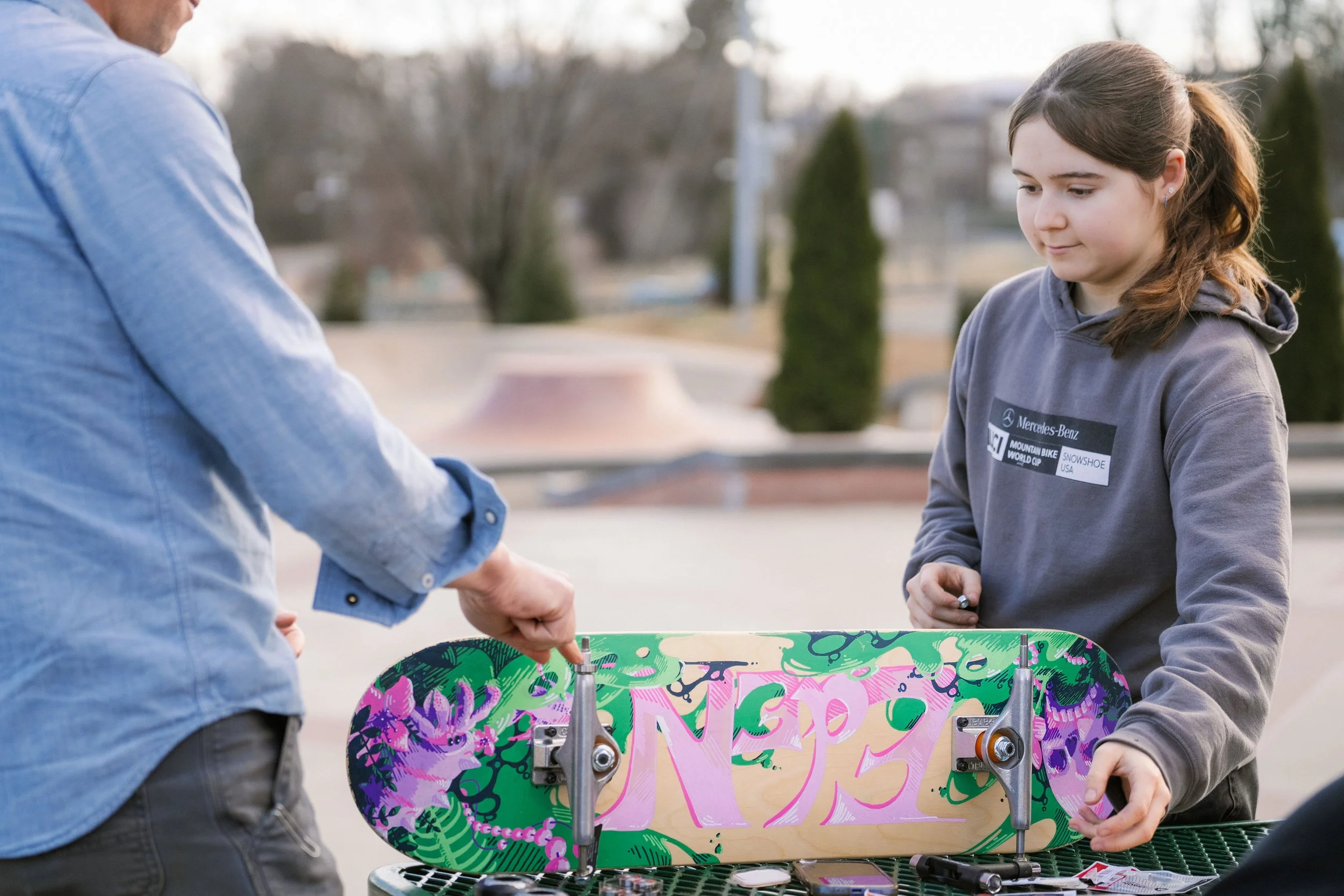
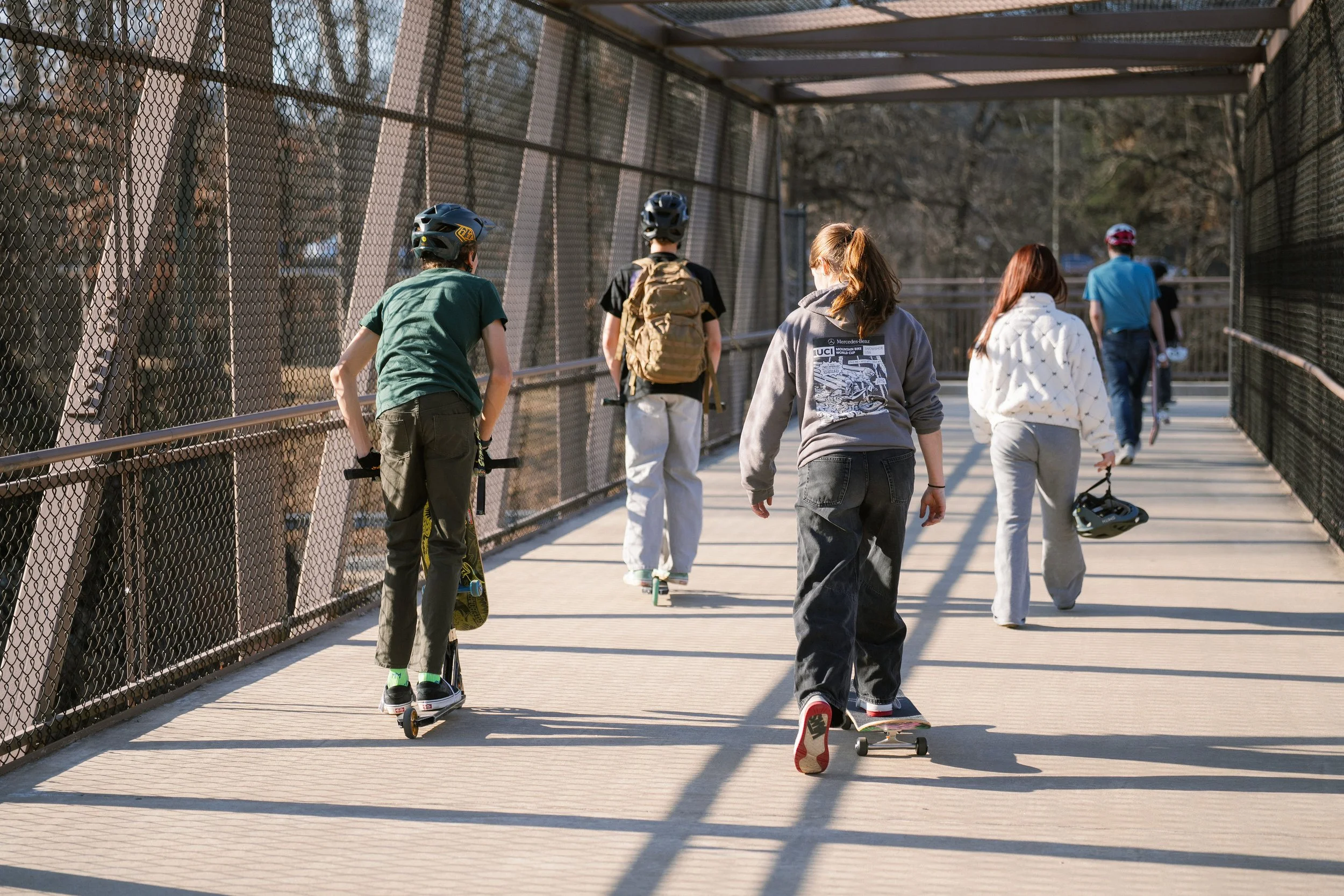
Your skateboard illustration caught a lot of eyes during WWOWW week. Was that a fun project? Do you ride the board?
“I love how Miller goes all out!” is what I couldn't stop thinking all of WWOWW week. I was so blown away by all the opportunities they had to offer. Sometimes, I still can't believe we got to build a skateboard from scratch, learn the history of it, and then design it. Not only that, but we were given full autonomy over our designs, and there wasn't a strict guideline or prompt to follow. I had enough freedom and support to be creative, so that's what I did. I am so thankful for taking this opportunity and being given it. I don't think I would have had as much fun at WWOWW week as I did.
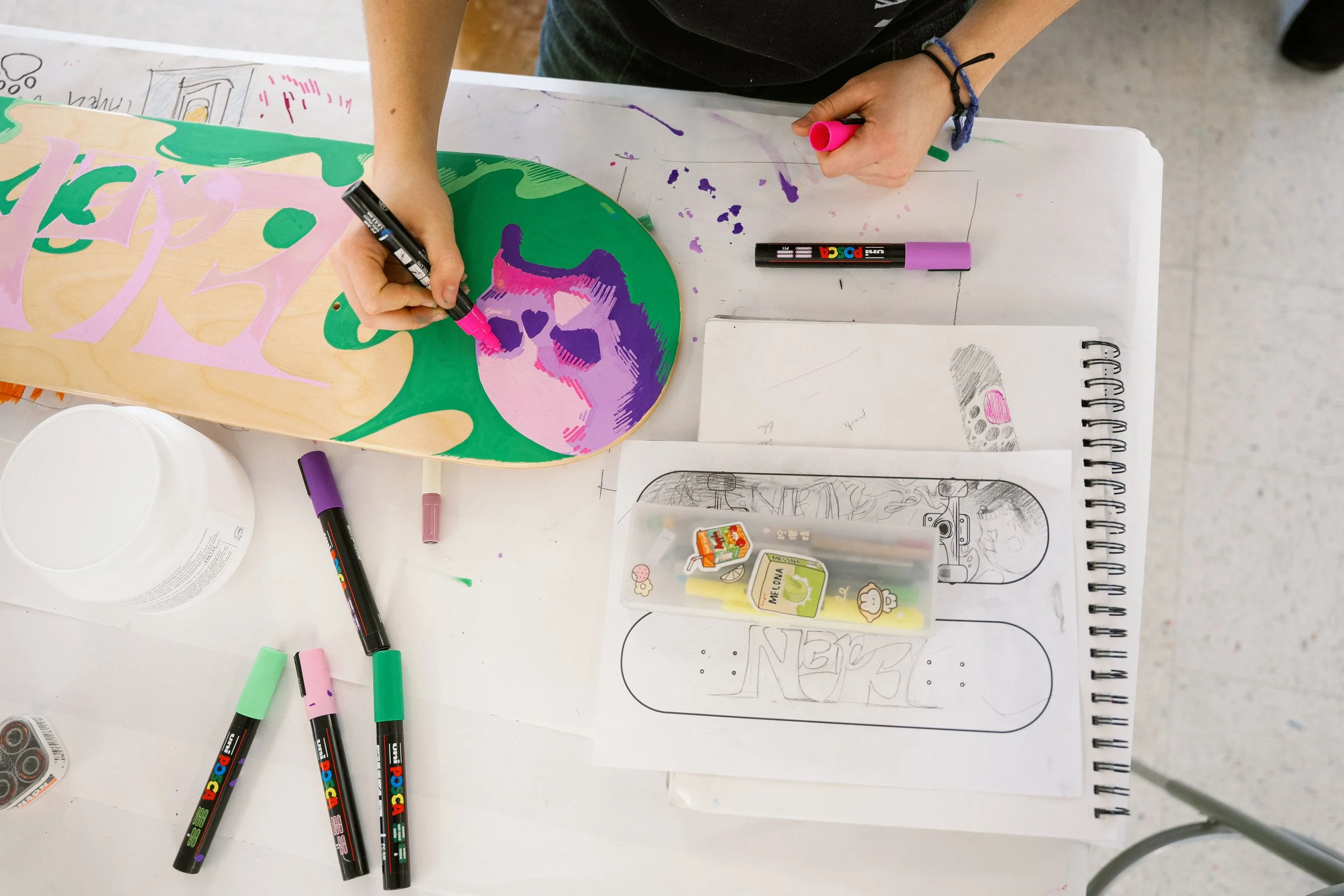
Despite creating what I think is an awesome board, I couldn't bring myself to ride it more than a couple of times. I was actually quite surprised by this connection I had formed. I desired to keep it pristine. After thinking about it, perhaps I just don't want to destroy it, because I would desire to see someone truly skilled use it to its full potential.
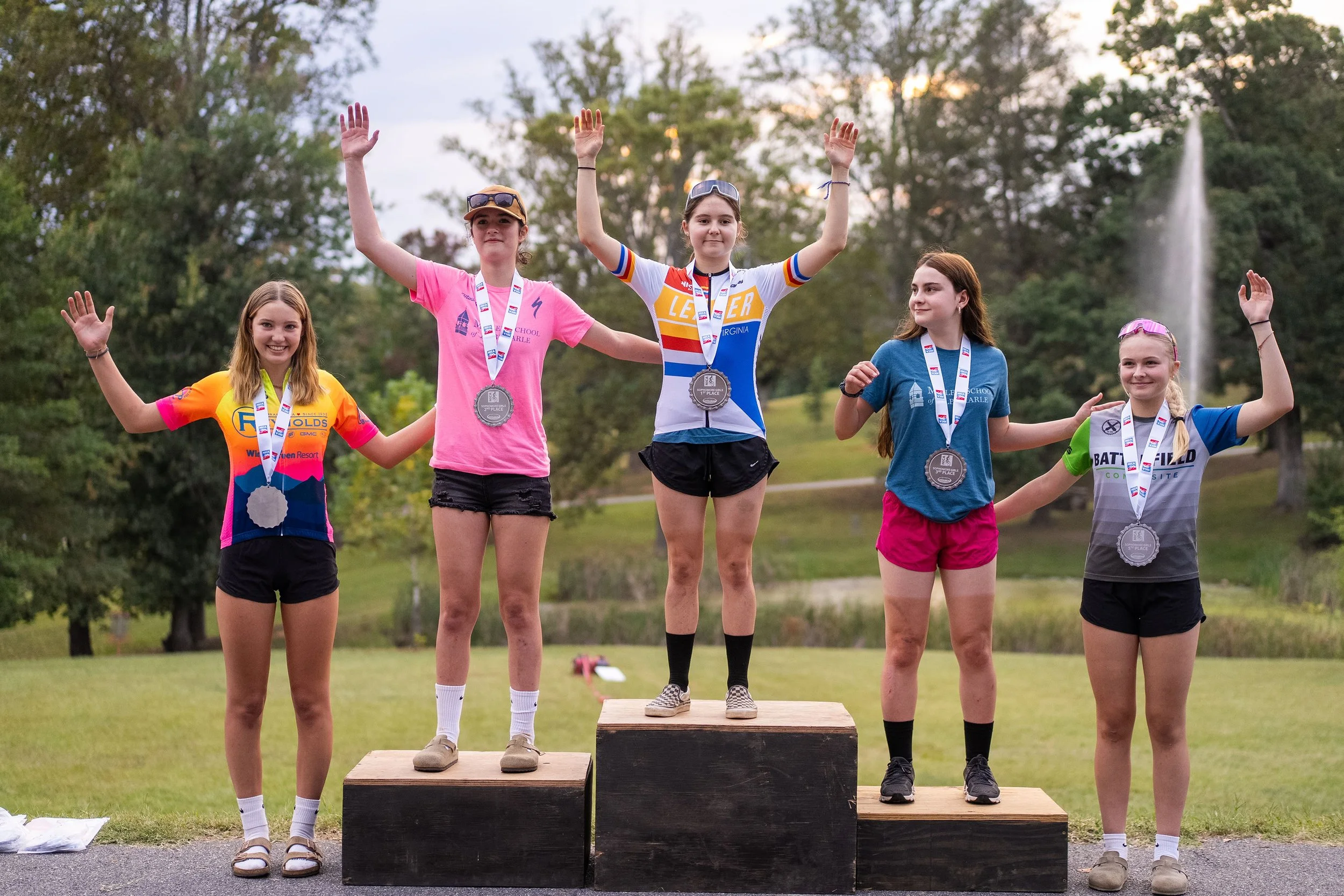
How has being a boarding student changed your athletic and social life?
Being a boarding student has changed my athletic and social life, as everything becomes accessible. I get my own space, and everything is easily accessible—friends and athletics.
What are your future goals in art? In cycling?
Right now, I would say my future art goal is to warp the guidelines. I want to teach my brain to think outside of the box and not settle into what is explicitly asked of me. As for my cycling goals, I would say I am most focused on finding my favorite discipline and prioritizing the competitions that come with it. After that, I think I will find some grand race to train for.