
Miller School welcomed guest speaker Henry Mulzac in honor of Black History Month, offering students a window into a family history shaped by courage, conviction, and a refusal to accept imposed limits.
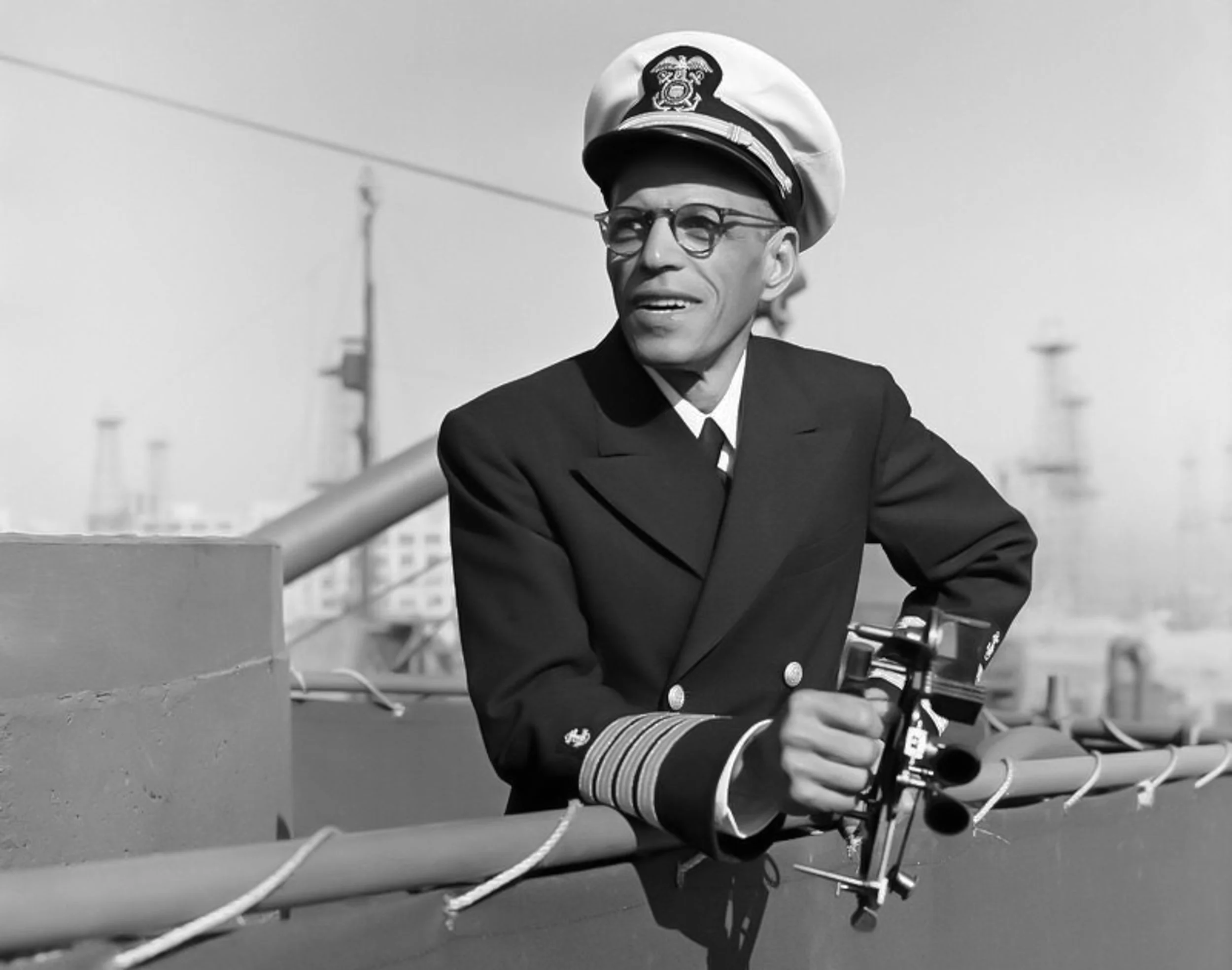
At the center of his presentation was a tribute that spanned generations. This presentation traces a family legacy shaped by courage and conviction, honoring his grandfather, Lt. Col. John I. Mulzac, an original Tuskegee Airman, and his great-granduncle, Captain Hugh Mulzac, who broke barriers at sea as the first Black U.S. Merchant Marine captain to command an integrated vessel, the SS Booker T. Washington.
Through these two figures, Mulzac shared more than history. He revealed a through line of leadership that moved from the skies of World War II to the open waters of the Atlantic—each shaped by individuals who understood both the weight of their moment and the responsibility to challenge it.
Born in 1886 on Union Island in Saint Vincent and the Grenadines, Captain Hugh Mulzac built his life at sea with precision and persistence. He earned his ship master’s license in the United States, becoming the first Black mariner to do so, yet spent years denied the command his credentials warranted. When the opportunity finally came during World War II, it arrived with conditions he refused to accept. Offered command of the SS Booker T. Washington with an all-Black crew, Mulzac declined. He would not lead under segregation. His insistence on an integrated crew reshaped the assignment—and, in time, helped reshape the standards of the U.S. Merchant Marine itself.
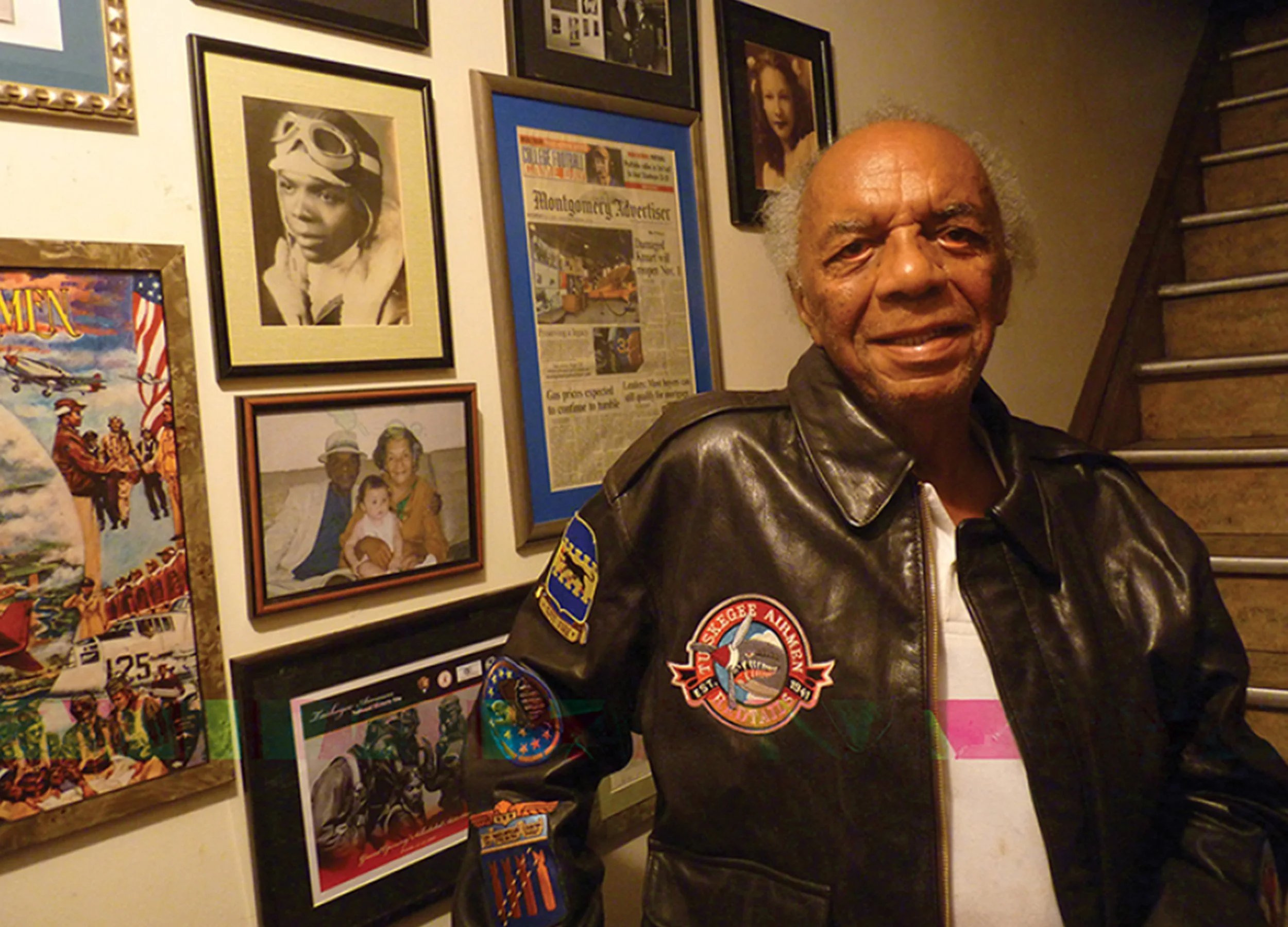
In the air, a generation later, Lt. Col. John I. Mulzac navigated a similar landscape. As one of the original Tuskegee Airmen, he trained and served in a program that tested not only skill and discipline, but the very assumptions of who could serve and lead. His success, alongside his fellow airmen, helped dismantle those assumptions, opening doors that had long been closed.
Together, their stories formed something larger than biography. They offered a study in leadership—quiet at times, resolute when it mattered most—and a reminder that progress is often carried forward by individuals willing to hold their ground.
For students on the Hill, the presentation did not feel distant. It felt immediate. A family story, yes—but also an invitation to consider how conviction, when paired with action, can shape not only a career, but a legacy.