
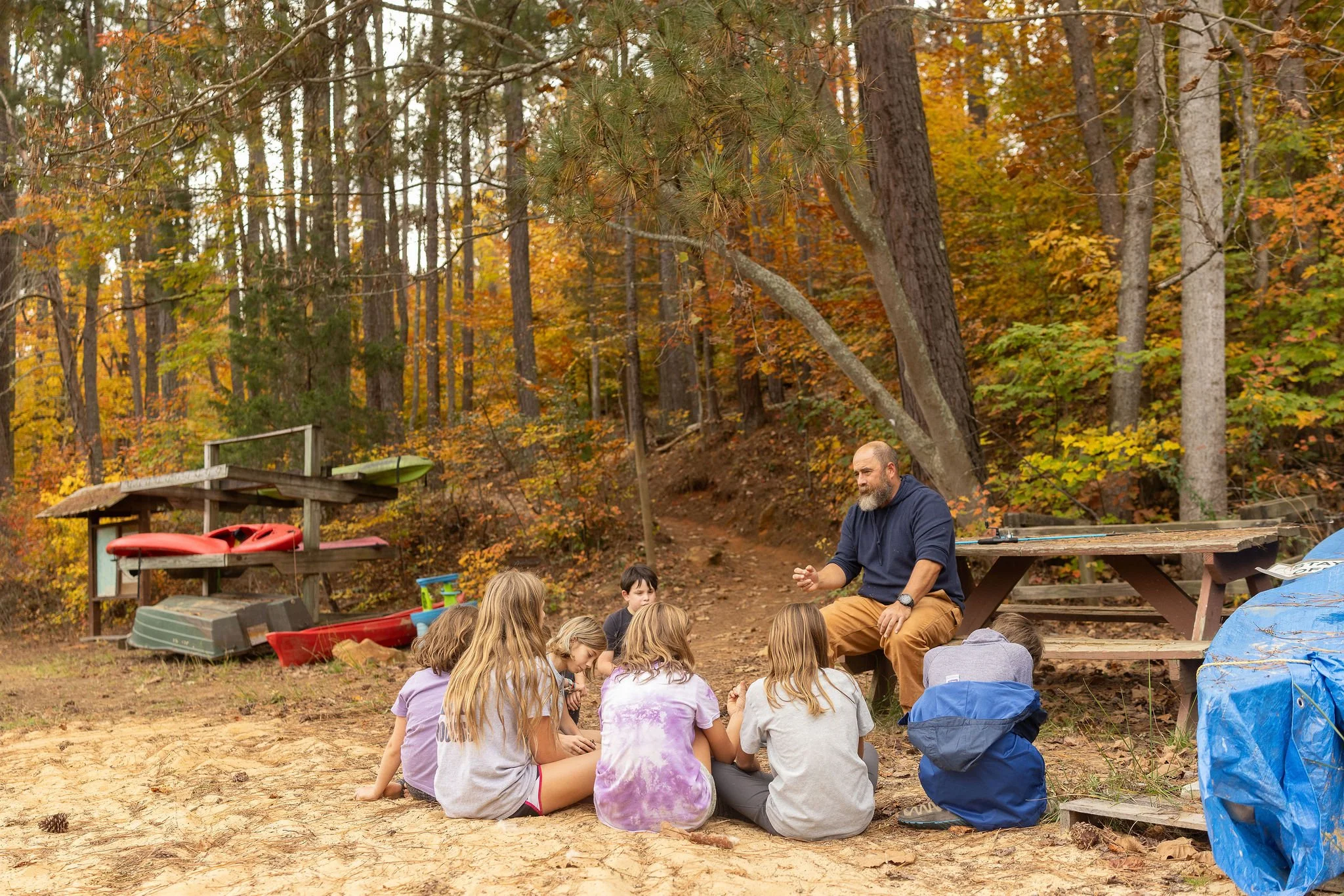
There is a lot about our lower school that asks children to take their time: learning to form a letter. Working through a difficult math problem. Figuring out how to join a game or settle a disagreement with a friend. These things take practice, and often times they come with frustration. As a parent and educator, I think one of our hardest jobs is deciding when to help and when to give a child a little more room to figure something out. That’s the crux of a Seven River’s teachers day. How do we properly conduct this orchestra of individual students to create one beautiful and cohesive sound?
A recent conversation between Jonathan Haidt and David Brooks, published by The Atlantic, brought me back to this question. They discuss artificial intelligence and what happens when we can hand more of our thinking and lives over to a machine. Haidt worries that in making things easier, we remove some of the effort through which we learn. He also worries about a world in which we have less reason to turn to one another and hollowing out what makes us human. Just yesterday, I had a conversation with my son who just started college. He asked why he had to write an essay that AI can do much better than he can… My response was quick, because the process matters more than the result. Without the struggle (effort), there simply is no success, mastery, or pride. An essential component, in my opinion, of being human.
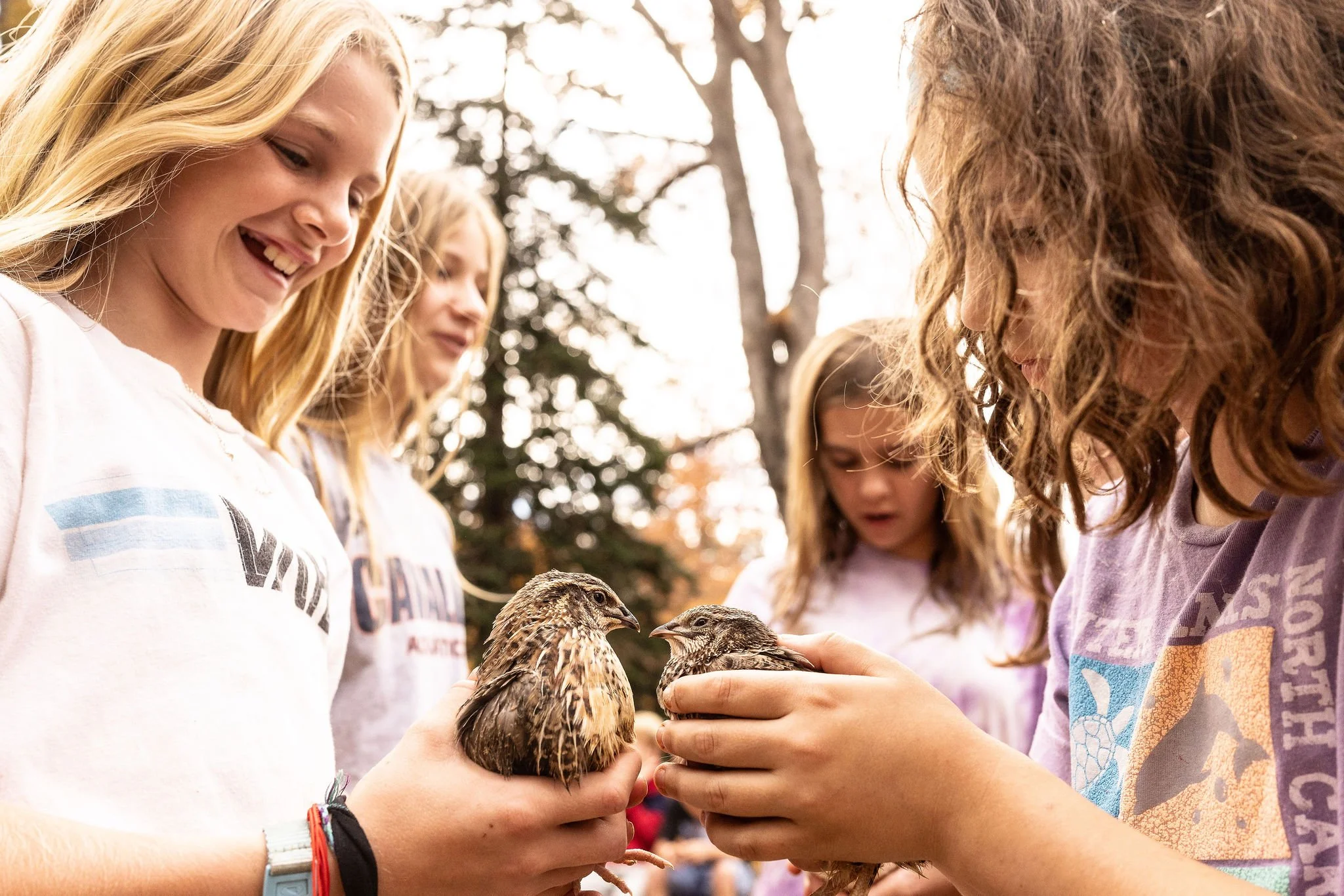
At Miller School, we ask children to participate fully in the life of the school. There are books to read, ideas to wrestle with, animals to care for, and people to get along with. A child can understand that taking turns is important and still find it terribly difficult when someone else has the thing they want. Knowing what to do and being able to do it are different. The space between them is where a great deal of growing up happens and where the real work exists. We are building intrinsic motivation to learn in a world that too often leans on the extrinsic (thumbs-ups, likes, hearts, and emojis). Where boredom is seen as a bug in the system, not the feature.
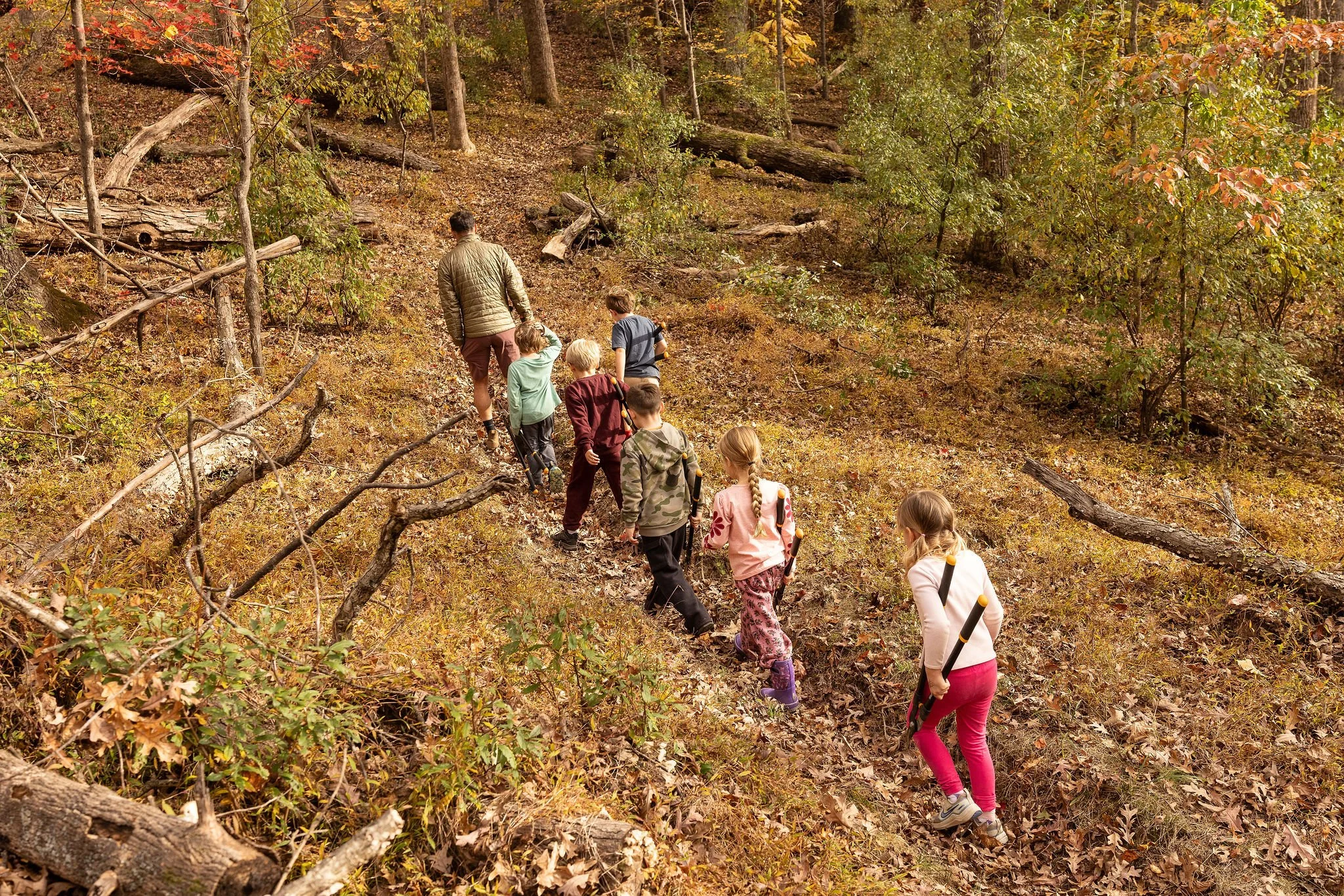
This is part of why I care so much about free play. Children need time to make up a game, disagree about the rules, and work out how to keep playing together. Adults have an important role in helping them learn to do this. We also have to be careful not to step in so quickly that we become the solution to every problem. Teachers here are masters of the “zone” defense. They watch from a distance, ready to support when needed but giving the kids the freedom to decide their own path towards the hoop.
The same is true in the classroom. When a student gets stuck, we need to understand why. They may need a clearer explanation, a different approach, or someone to work alongside them. They may also need time to try again or a bit more time than their friend. We want children to experience the satisfaction of understanding something that was difficult for them, and that confidence has to be earned through their own experience and their own struggle. That struggle is hard, unpredictable, and uncomfortable… and that's the point!
Our technology-light approach makes room for this work. Time spent reading, handwriting, building, and talking with another person gives children opportunities to develop abilities they will use throughout their lives. As new tools become available, I think we should be thoughtful about which parts of learning we are asking those tools to take over. Getting an answer quickly is useful. Understanding how you arrived at the answer is foundational to building the musculature to thrive in an ever-evolving world.
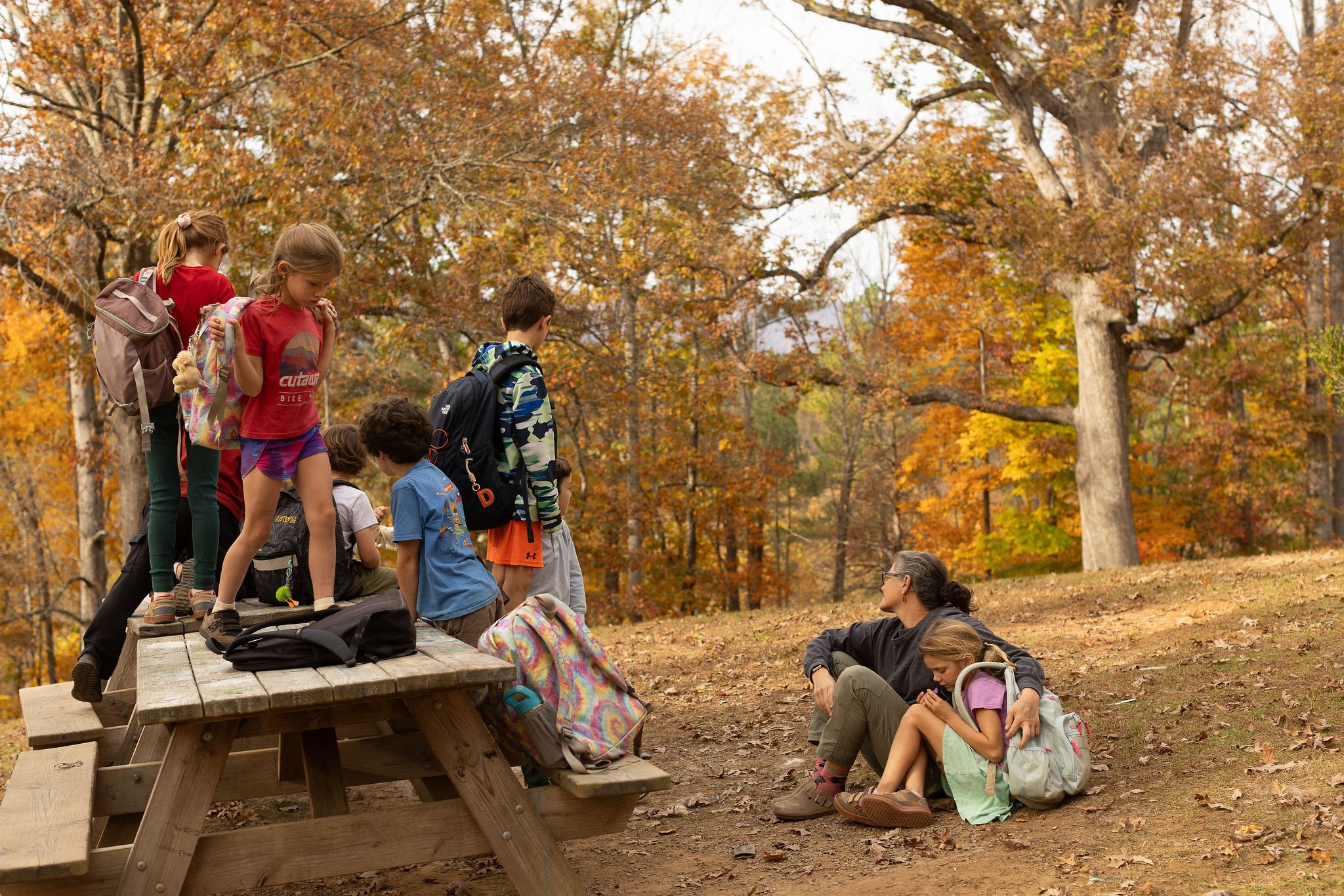
Students feeling ownership and responsibility for their lives and their learning is essential. They cannot simply be a passenger in the car of life. Feeding an animal or helping a younger student gives a child a real part in the community. Someone is counting on them, and their contribution matters. I want our students to feel that and have more opportunities to experience it as they grow in all facets of life.
We cannot know exactly what the world will look like when our children are adults. We can give them time to become capable people who know themselves, care about others, and are willing to work through something difficult. I often tell prospective families that we are a confidence culture, not a compliance culture, and that it's our desire to build strong and confident citizens to send off into the world!
That takes patience from all of us. It means allowing room for mistakes, offering support, and trusting children with the next step. I think it is some of the most important work we do at the Seven Rivers Program at Miller School.
Thank you for the trust you place in us every day. I am truly grateful.
Nolan LaVoie