
Every year, we celebrate the victories of our athletic teams. From the back-to-back-to-back state championship basketball team to the Hill boys at Farina Field, big slam dunks and grand slams are a regular part of life at Miller School. Beyond campus, our cyclists race wheel to wheel with top endurance athletes across the United States and Europe. Our teams bring home trophies, medals, and memories of performing at their best.
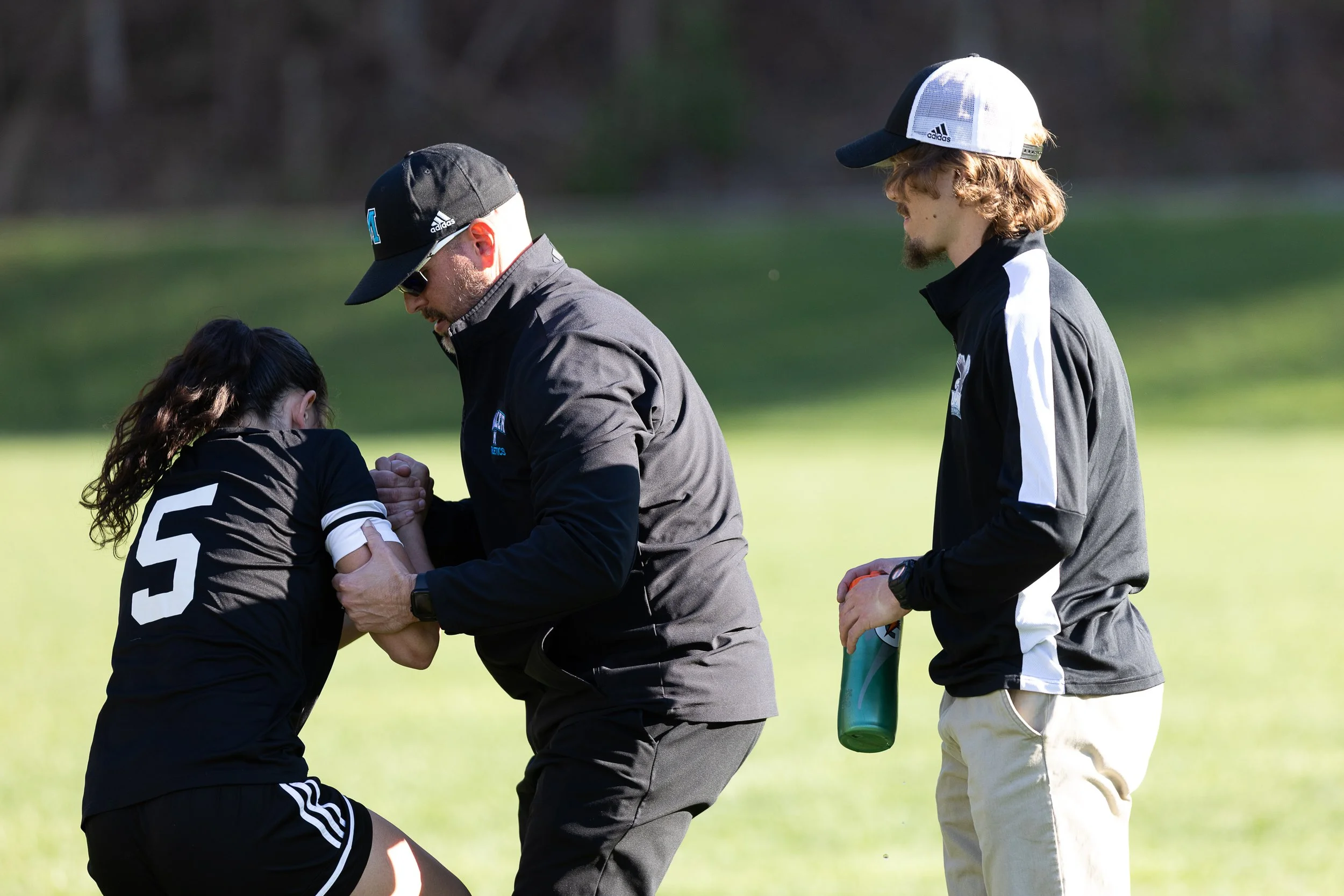
In the background of these moments is a quiet, steady presence who rarely shares the spotlight.
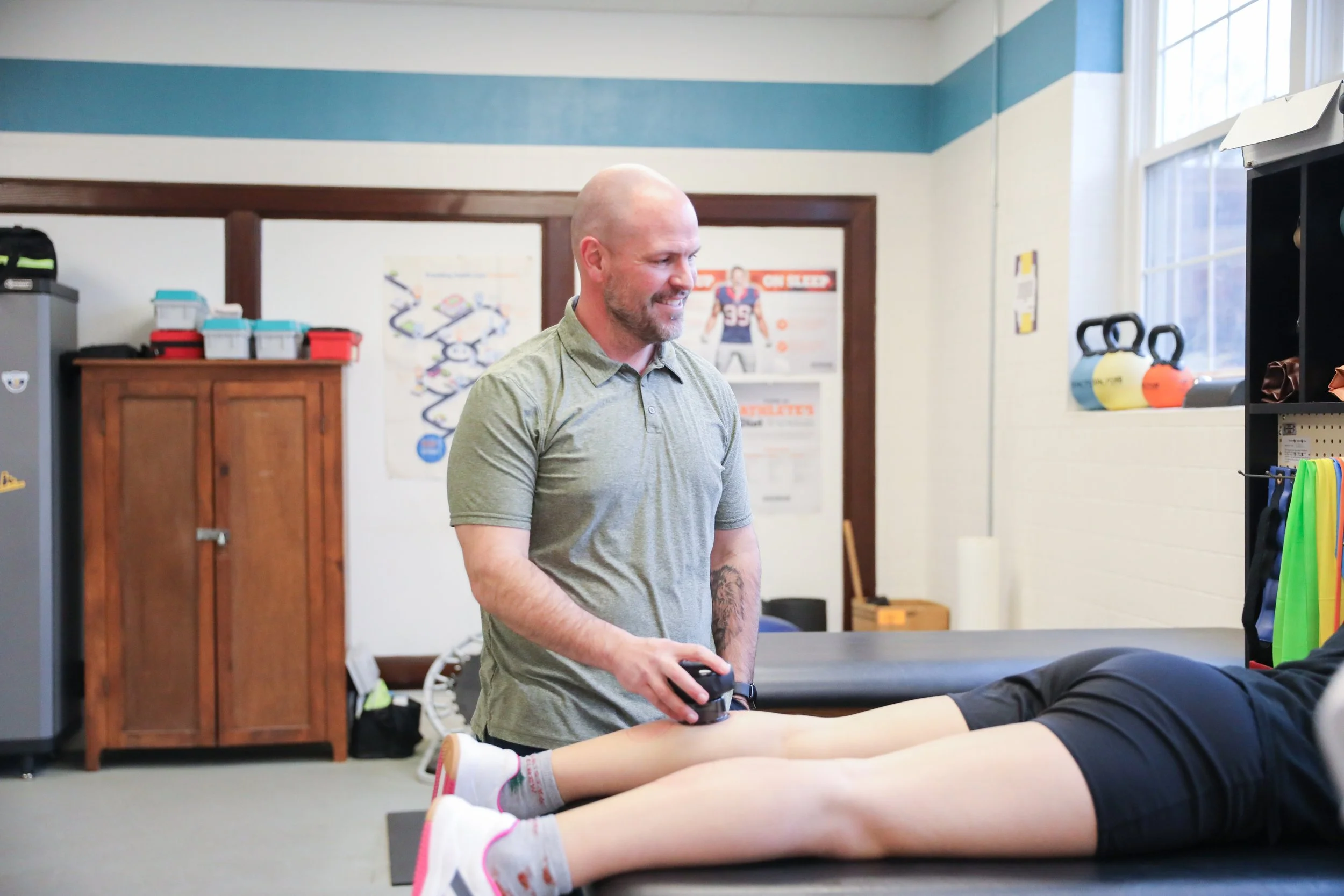
He is not a coach, but his influence reaches every team. His work begins where performance breaks down, when an athlete is injured, limited, or unsure of what comes next. This is where Zach Hunt, Miller School’s athletic trainer, does his best work.
From muscle strains to concussions, from early evaluation to long rehabilitation, he works across sports and seasons with a range of tools designed to return athletes to play. Just as important is how he does it. His approach is calm, direct, and consistent, qualities that build trust in moments when athletes need it most.
He is always there. On the sideline in Alumni Gym, above Farina Field, or along a course on race day, he is prepared for whatever might come next.
And that, more than anything, is what he values about the job.
What he enjoys most is simple. Solving problems in real time.
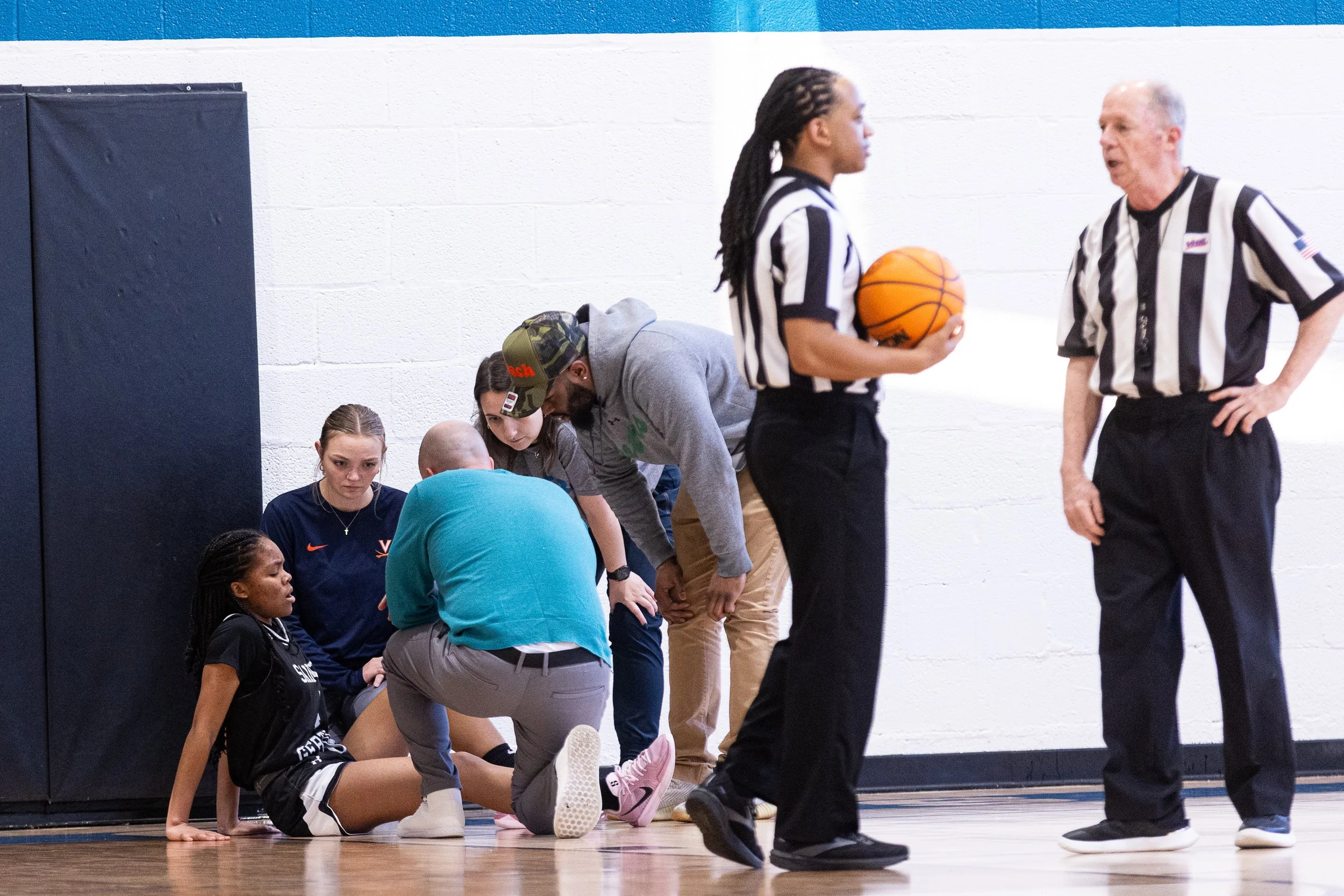
An ankle turns. A player comes off the field. A rider pulls up mid-race. There is no pause, no long window to assess and plan. The work happens in the moment, with limited information and a clear objective. Stabilize. Evaluate. Decide what comes next.
That ability to respond quickly is not accidental. It is rooted in experience, and in a personal understanding of what injury feels like from the other side.
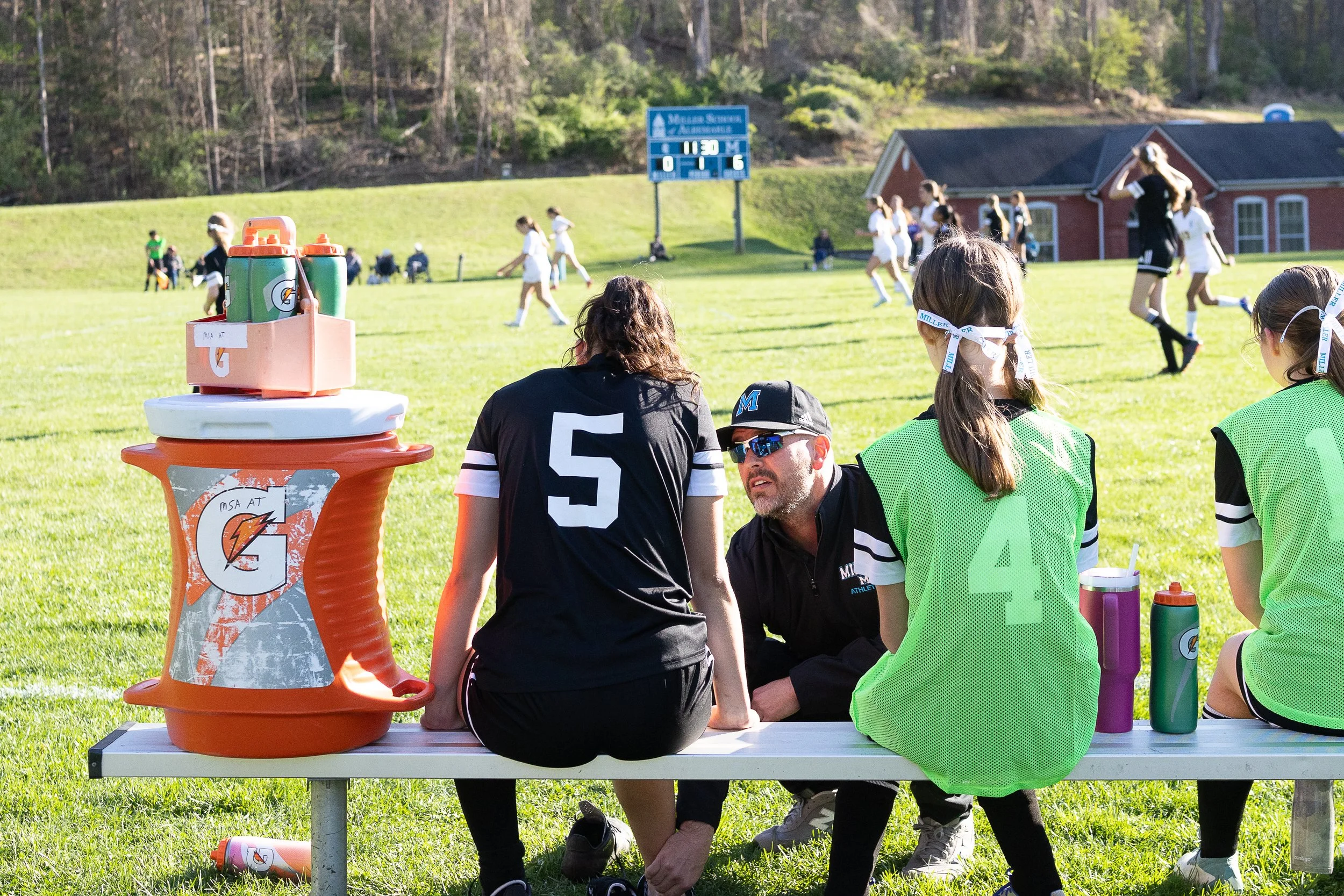
As a high school athlete, Hunt dealt with a significant ankle injury while playing basketball. Much of his recovery took place under the guidance of an athletic trainer. The process left an impression, not just because it got him back on the court, but because it revealed the role itself. There was someone responsible not for calling plays or scoring points, but for making it possible to return.
He had grown up around sports. His father was both a coach and a teacher. He introduced Hunt to a variety of sports growing up. Later, at Anderson University, where Hunt attended college, the school’s head athletic trainer took him under his wing and was influential in his career path.
Like many of the athletes he now works with, Hunt played multiple sports—baseball, soccer, and basketball. He understood the rhythm of a season, the importance of a game, and the frustration of being unable to participate. That perspective shapes the way he approaches his work now.
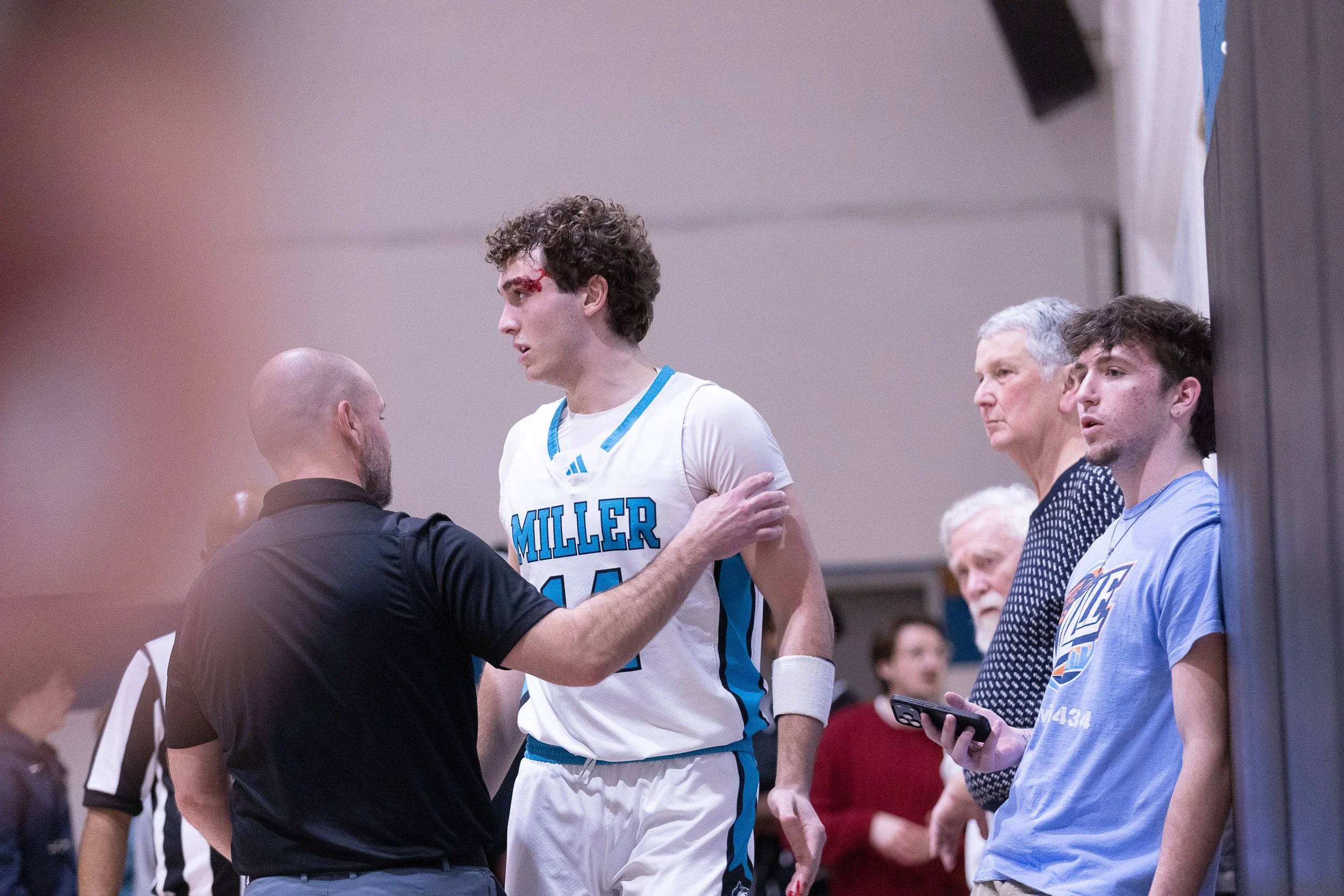
For the athletes he treats, the goal is not abstract. It is specific and immediate. Get back on the field. Get back on the court. Get back to something that matters.
That process takes time.
Rehabilitation is not a single moment, but a series of small steps, repeated daily, often without visible progress. It requires patience from the athlete and consistency from the person guiding them through it.
Hunt’s role sits in that space.
He manages recovery, but also expectation. He pushes when needed and holds athletes back when necessary. He works with coaches, communicates with families, and tracks progress over days and weeks, not just minutes.
The work is steady. The hours are long.
Covering multiple sports across seasons means days that stretch well beyond the final whistle. Practices, games, travel, treatment sessions. The schedule rarely slows.
But the reward is built into the work itself.
An athlete returns. A player moves without hesitation again. A season that once felt over continues.
Those moments do not come with headlines. They happen quietly, often before or after the games that draw attention. But they are essential to everything that follows.
At a school where athletics are central to the student experience, that role carries weight.
Not in the spotlight, but alongside it.
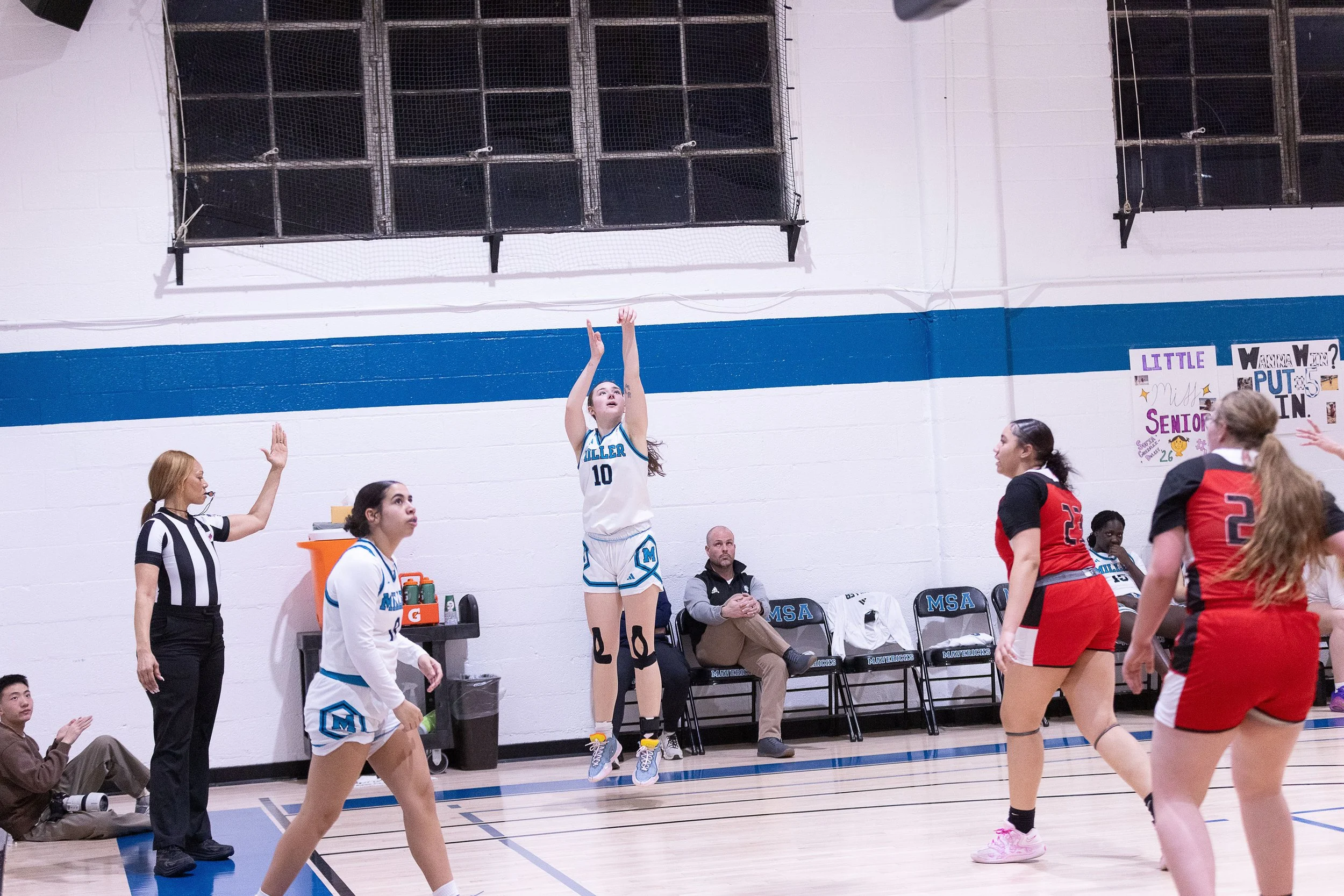
Every team depends on preparation, coaching, and execution. Just as much, they depend on the ability to stay healthy, to recover, and to return when something goes wrong.
That is the work Zach Hunt does every day.
Solving problems in real time. Keeping athletes moving forward. Making sure that when the moment comes, they are ready to take part in it.
And more often than not, making sure they are able to take the shot.